Table of Contents
Introduction: India’s MSME Funding Gap Is Bigger Than You Think
India’s MSME sector is the backbone of its economy — contributing approximately 30% of GDP, generating over 11 crore jobs, and accounting for nearly 45% of total exports (as per Ministry of MSME Annual Report 2024–25). Yet, here is the uncomfortable truth: an estimated ₹25–30 lakh crore formal credit gap still exists in this sector, leaving crores of micro and small entrepreneurs either borrowing from moneylenders at usurious rates or stalling their growth altogether.
The good news? Two distinct lending pathways — the government-backed Pradhan Mantri Mudra Yojana (PMMY) and traditional bank loans for MSMEs — have never been more accessible. But which one is right for your business in 2026?
As you delve deeper into the Mudra Loan vs Bank Loan comparison, keep in mind the nuances that differentiate these two financing options.
Understanding the advantages of Mudra Loan vs Bank Loan is essential for making an informed financial decision.
As someone who has spent 16+ years tracking MSME credit flows, interviewing bank credit officers, and helping hundreds of small business owners in Karnataka, Rajasthan, and Bihar navigate loan applications, I can tell you plainly: there is no single right answer. The correct choice depends on your business stage, loan amount, urgency, and risk appetite. This article will give you every data point you need to decide — without sales pitches or jargon.
In the context of MSMEs, the choice between Mudra Loan vs Bank Loan ultimately shapes their growth trajectory.
Disclaimer: Interest rates mentioned in this article are indicative as of March 2026. Rates vary by lender, borrower profile, and RBI policy changes. Always confirm current rates directly with your bank or NBFC before applying.
What Is Pradhan Mantri Mudra Yojana (PMMY)?
Launched in April 2015 under the Micro Units Development and Refinance Agency (MUDRA), PMMY is one of the most ambitious financial inclusion programmes in independent India. Its goal is simple: give collateral-free, affordable credit to non-corporate, non-farm micro and small enterprises.
The concept of Mudra Loan vs Bank Loan is critical for understanding how MSMEs can access funding tailored to their specific requirements.
Mudra Loan vs Bank Loan is a pivotal part of the conversation around MSME financing in India.
This discussion on Mudra Loan vs Bank Loan will highlight key factors that affect your decision-making process.
In this article, we will explore the differences and benefits of Mudra Loan vs Bank Loan for MSMEs and help you determine which option suits your needs best. Understanding the pros and cons of each option will empower you to make an informed decision between a Mudra Loan vs Bank Loan. This article will frequently discuss Mudra Loan vs Bank Loan, providing clarity on their respective advantages and disadvantages.
The Three (Now Four) Tiers of Mudra Loans
PMMY offers loans through Member Lending Institutions (MLIs) — public sector banks, private banks, RRBs, MFIs, NBFCs, and Small Finance Banks.
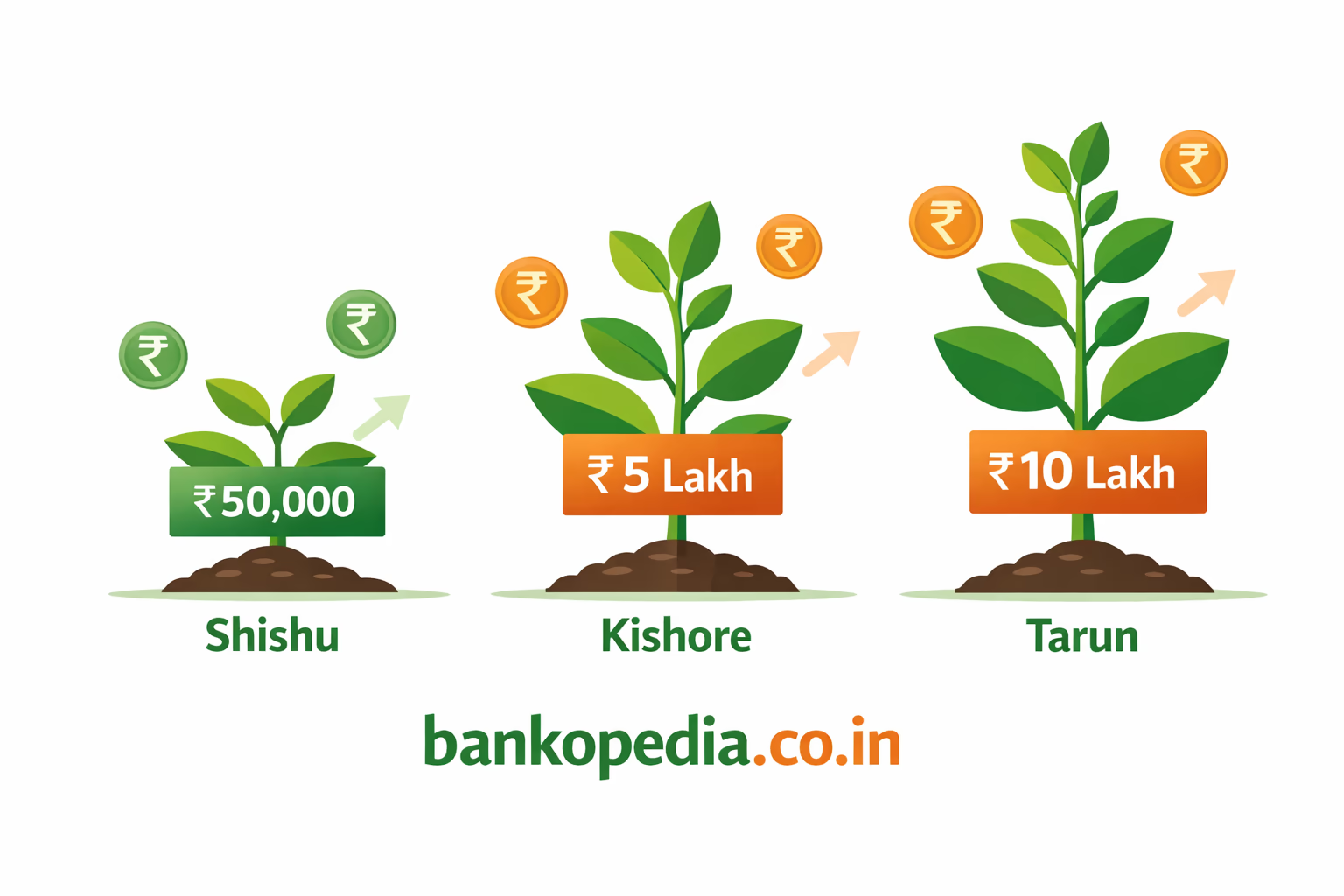
1. Shishu — Up to ₹50,000 For very early-stage micro units, street vendors, kirana shops, and first-time borrowers. Designed to bring the unbanked into the formal credit fold.
2. Kishore — ₹50,001 to ₹5 Lakh For businesses that have some operational history and need funds for working capital, small equipment, or expansion.
3. Tarun — ₹5 Lakh to ₹10 Lakh For established micro enterprises seeking to scale up, invest in machinery, or diversify.
4. Tarun Plus — ₹10 Lakh to ₹20 Lakh (introduced in Union Budget 2024–25) A new category announced by Finance Minister Nirmala Sitharaman specifically for Tarun borrowers with a satisfactory repayment record, enabling them to access higher credit with a proven track record. This is a significant upgrade that many business owners are yet to leverage fully.
Key Features of Mudra Loans
- No collateral required for loans up to ₹10 lakh under PMMY — this is mandated under the scheme guidelines and reaffirmed by RBI circulars on priority sector lending.
- No processing fee charged on Shishu category loans (fees vary for Kishore and Tarun across lenders).
- Interest rates are not centrally fixed — lenders price based on RBI repo rate (currently 5.25% as of February 2026, as per latest available official data) plus spread. Effective rates typically range from 7.5% to 11% per annum for Mudra loans, though MFI-disbursed Shishu loans can go higher.
- A Mudra Card (a RuPay debit card) is issued for working capital needs, allowing flexible drawdown.
- Target beneficiaries include women entrepreneurs, SC/ST borrowers, minority communities, and migrants — with preferential treatment embedded in the scheme design.
As per PMMY Annual Report 2024–25 (published on mudra.org.in), cumulative sanctions since inception have crossed ₹32 lakh crore, with over 52 crore accounts benefited. Remarkably, 68% of accounts belong to women borrowers — a statistic that underscores the programme’s reach into underserved demographics.
Traditional Bank Loans for MSMEs
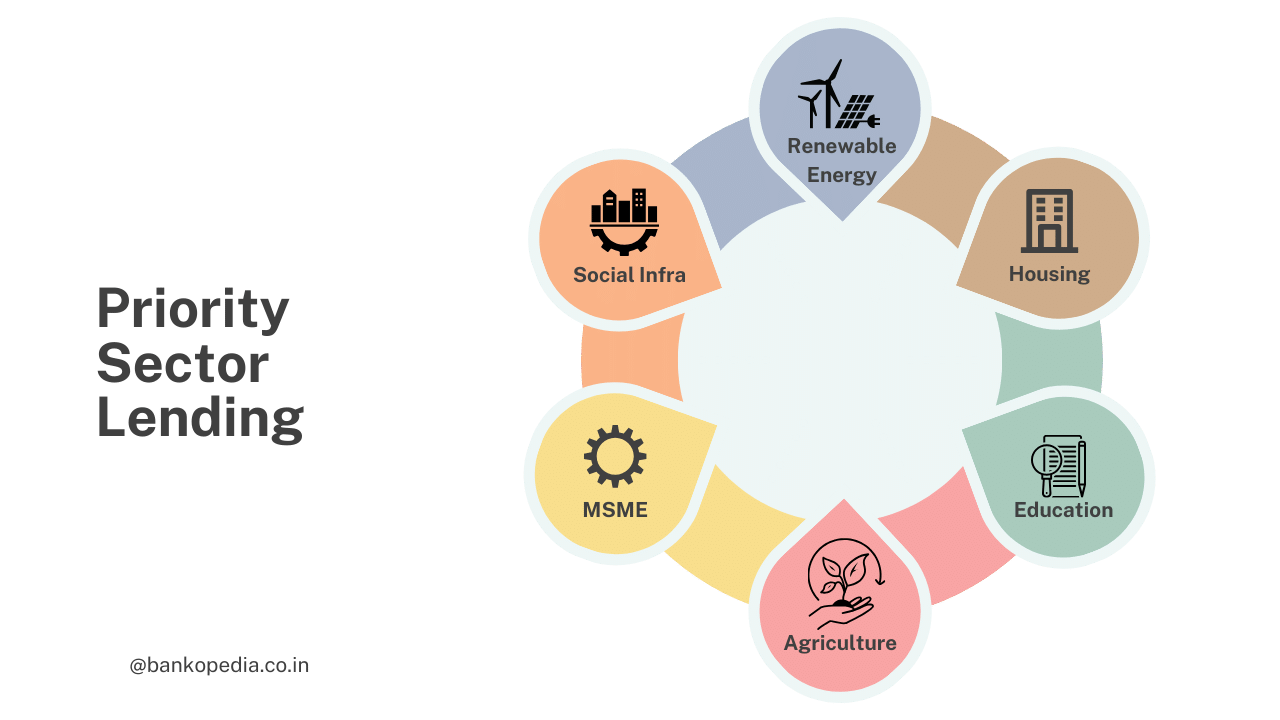
Traditional bank credit for MSMEs operates under a broader framework governed by RBI’s Priority Sector Lending (PSL) guidelines, which mandate that scheduled commercial banks direct 40% of their Adjusted Net Bank Credit (ANBC) towards priority sectors, including MSMEs.
This article will frequently revisit the discussion on Mudra Loan vs Bank Loan to ensure you have a comprehensive understanding.
Types of Bank Credit Available to MSMEs
- Term Loans: For capital expenditure — machinery, equipment, infrastructure. Tenures typically range 3 to 7 years.
- Working Capital Loans / Cash Credit (CC): Revolving credit for day-to-day operational expenses.
- Invoice Discounting via TReDS (Trade Receivables Discounting System)
- Overdraft Facility (OD): Against collateral or current account relationship.
- MSME Business Loans: Unsecured or semi-secured products offered by private banks (HDFC, ICICI, Axis) and NBFCs, typically up to ₹50 lakh.
- Government-Linked Schemes: CGTMSE-backed loans, Stand-Up India loans (₹10 lakh to ₹1 crore for SC/ST and women), and Emergency Credit Line Guarantee Scheme (ECLGS) residual tranches.
CGTMSE: The Collateral Workaround
The Credit Guarantee Fund Trust for Micro and Small Enterprises (CGTMSE), jointly operated by the Ministry of MSME and SIDBI, provides credit guarantee cover to lenders, enabling them to extend collateral-free loans up to ₹10 crore to MSMEs. This is a critical instrument — it removes the single biggest barrier most small entrepreneurs face: the absence of immovable property to pledge.
As per CGTMSE’s latest published data, cumulative guarantee approvals have crossed ₹7 lakh crore, with over 80 lakh proposals approved since inception.
Interest Rates and Tenure — Bank Loans
For public sector bank MSME loans in 2026, interest rates (linked to MCLR or EBLR) typically range from 8% to 12% per annum for secured loans and 11% to 17% for unsecured short-tenure products, reflecting the easing monetary cycle following the RBI’s repo rate reductions to 5.25% (as of February 2026, as per latest available official data). Private banks and NBFCs tend to price at the higher end due to faster processing and lower documentation burden.
Head-to-Head Comparison Table
| Parameter | Mudra Loan (PMMY) | Traditional Bank Loan |
|---|---|---|
| Loan Amount | ₹50,000 – ₹20 lakh (Tarun Plus) | ₹1 lakh – ₹50 crore+ |
| Interest Rate (2026) | ~7.5% – 11% p.a. (indicative) | ~8% – 17% p.a. (varies by type) |
| Collateral | Not required (up to ₹10L mandated; ₹20L lender-discretion) | Required for >₹10L; CGTMSE cover available up to ₹5 crore |
| Processing Time | 7–30 days (varies by lender/tier) | 15–45 days (faster via PSB 59-min portal) |
| Documentation | Minimal (KYC, Udyam, bank statement) | Moderate to extensive (ITR, balance sheet, projections) |
| Repayment Tenure | 3–5 years (working capital: 1 year revolving) | 1–7 years (term loans up to 10 years) |
| Govt Subsidy/Linkage | Mudra Card, no processing fee on Shishu | CGTMSE guarantee, Interest Subvention under select schemes |
| Credit Score Requirement | Flexible; new borrowers considered | CIBIL 700+ preferred for unsecured; lower for secured |
| Best Suited For | Micro units, first borrowers, women/SC/ST, informal sector | Growing MSMEs, capital expenditure, working capital at scale |
All figures are indicative as of March 2026. Verify directly with lenders.
Pros and Cons of Mudra Loans
✅ Pros
- Zero collateral anxiety: For most first-generation entrepreneurs who do not own land or property, this is life-changing.
- Inclusive design: Deliberately targeted at women, SC/ST, OBC, minorities, and NE states — preferential consideration built in.
- Low documentation: No audited balance sheets required for Shishu; basic KYC and Udyam registration suffice.
- Government credibility: Being a central government scheme increases trust with both lenders and borrowers.
- Mudra Card facility: Allows flexible drawdown rather than lump-sum disbursement — smarter for working capital management.
❌ Cons
- Loan ceiling of ₹20 lakh: Even with Tarun Plus, this is insufficient for machinery-heavy or export-oriented businesses.
- Interest rates not guaranteed low: MFI-channelled Mudra loans can carry rates of 20%+ due to MFI margin. Always ask the channel.
- Lender discretion still exists: Banks can and do reject Mudra applications on creditworthiness grounds — the scheme does not compel disbursement.
- Sectoral restrictions: Mudra is for non-farm income-generating activities. Agriculture and certain trading activities may not qualify.
- Slow in some geographies: Rural RRB branches may have capacity constraints in processing.
Examining the pros and cons of Mudra Loan vs Bank Loan will help you gauge which option aligns more closely with your business’s needs.
Pros and Cons of Traditional Bank Loans
✅ Pros
- Higher loan quantum: No upper ceiling — suitable for scale-up, plant expansion, export financing.
- Structured products: Term loans, CC, OD, and bill discounting products designed for different business cash flow needs.
- Relationship benefits: Long-term banking relationships unlock better pricing, faster renewals, and additional products.
- CGTMSE leverage: A savvy MSME owner can access collateral-free loans up to ₹5 crore by insisting the bank use CGTMSE cover.
❌ Cons
- Collateral pressure remains real: Despite CGTMSE, many PSB branch managers still informally insist on collateral — a ground reality I have seen repeatedly.
- Higher documentation burden: ITRs, CA-certified balance sheets, projections, MSME registration — the pile can be daunting.
- Longer processing timelines: Unless routed through the PSB Loans in 59 Minutes portal, sanction can stretch to 45–60 days.
- CIBIL sensitivity: A CIBIL score below 700 can derail applications even for businesses with strong turnover.
Which Is Better? A Scenario-Based Decision Guide
Scenario 1 – Micro Start-Up, First-Time Borrower Go with Mudra Loan (Shishu or Kishore). You have no credit history, possibly no collateral, and need ₹1–5 lakh. The no-collateral, low-documentation structure is made exactly for you.
Scenario 2 – Established MSME, ₹25 Lakh+ Needed Go with a Traditional Bank Loan, structured under CGTMSE. Mudra’s ceiling will not serve you. Apply with your Udyam registration, three-year ITRs, and a solid credit story.
Scenario 3 – Woman Entrepreneur / SC/ST Founder Start with Mudra for the preferential access and lower friction. If you have a satisfactory Mudra repayment record, step up to Stand-Up India (minimum ₹10 lakh to ₹1 crore) or CGTMSE-backed bank loans. The Government of India’s convergence schemes are designed precisely for this ladder.
Scenario 4 – Urgent Working Capital Needed (Within 2 Weeks) Explore NBFC-backed Mudra or the PSB Loans in 59 Minutes portal. The 59-minute portal (psbloansin59minutes.com) uses algorithm-driven underwriting, and many applicants receive in-principle approval within hours.
- Scenario 4A – Payment stuck with large buyer (invoice pending 30–90 days) – Consider TReDS invoice discounting — [Read: How TReDS works for MSME working capital]
Scenario 5 – Export-Oriented MSME Traditional bank loan with ECGC cover is more appropriate. Export credit, pre/post-shipment financing, and EXIM Bank schemes provide tools Mudra simply cannot.
Step-by-Step Application Guide (2026)
Applying for a Mudra Loan
- Register on Udyam Portal (udyamregistration.gov.in) — get your Udyam Registration Number (URN). Free, paperless, Aadhaar-linked.
- Visit Mudra Portal (mudra.org.in) — download the Mudra Loan application form or identify nearby MLIs.
- Approach your preferred MLI — PSB branch, Small Finance Bank, MFI, or NBFC. You can also apply digitally through most PSB mobile apps.
- Submit documents: KYC (Aadhaar, PAN), Udyam certificate, 6-month bank statement, business address proof, and a brief business description.
- Loan appraisal: The lender assesses your income, business viability, and credit behaviour. No formal project report needed for Shishu.
- Disbursement + Mudra Card: On sanction, funds are disbursed to your account; a Mudra RuPay Card is issued for working capital drawdown.
Applying for a Traditional Bank MSME Loan
- Udyam Registration (udyamregistration.gov.in) — mandatory for MSME classification and PSL eligibility.
- PSB Loans in 59 Minutes Portal (psbloansin59minutes.com) — for loans up to ₹5 crore. Upload ITR data, GST returns, and bank statements for algorithmic pre-approval.
- CGTMSE awareness: Before visiting the bank branch, explicitly ask: “Will this loan be covered under CGTMSE?” This removes the collateral demand legally.
- Submit formal application: Business plan/projection (for larger amounts), CA-certified financials, KYC, Udyam certificate, GST registration.
- Credit appraisal and site visit: Bank may conduct a field visit for loans above ₹10 lakh.
- Sanction letter → Disbursement: On acceptance of terms, loan is disbursed in tranche or lump sum as per structure.
Real MSME Stories: What I Have Personally Seen
Case Study 1 – Razia Begum, Handloom Weaver, Varanasi Razia ran a home-based handloom unit with three looms and a consistent buyer in Delhi. She had no land, no CIBIL history, and had been turned away twice by a local bank. We helped her apply for a ₹2.5 lakh Kishore Mudra loan through a Small Finance Bank. Within 19 days, funds were disbursed. She used the Mudra Card to purchase yarn in phases rather than in bulk, managing cash flow smartly. Within 18 months, she repaid the loan and qualified for a ₹8 lakh Tarun loan, eventually employing four additional weavers.
Case Study 2 – Suresh Gowda, Auto Parts Retailer, Hubli Suresh had a CIBIL score of 685 and needed ₹15 lakh to expand his shop and add a service bay. His bank rejected him citing the score. We advised him to apply through the PSB Loans in 59 Minutes portal under CGTMSE cover, and simultaneously clean up one disputed entry in his credit report. Three months later, with a corrected score of 712, he received a ₹12 lakh term loan at 9.25% p.a. with CGTMSE guarantee — zero collateral pledged. His shop turnover doubled in the first year.
Case Study 3 – Priya Textile Traders, Surat (SC Entrepreneur) Priya’s family, from a Scheduled Caste community, had run a small saree trading business for two generations. Despite turnover of ₹45 lakh annually, they had never accessed formal credit. Beginning with a ₹50,000 Shishu Mudra loan — which they treated as a credit-building exercise — they repaid in 11 months, upgraded to a ₹5 lakh Tarun loan, and eventually secured a ₹25 lakh Stand-Up India loan from Bank of Baroda. This three-rung ladder approach is something I recommend to every first-generation borrower.
Conclusion + Your Actionable Checklist
Mudra loans and traditional bank loans are not rivals — they are rungs on the same ladder. Mudra is your entry point into formal credit; bank loans are your scale-up engine. The smartest MSMEs use both in sequence.
Your 2026 Pre-Application Checklist
- Register on Udyam Portal (free, takes 15 minutes)
- Check your CIBIL/CRIF score — dispute errors if any
- Prepare 6-month bank statements and GST returns
- Decide loan amount: Under ₹10 lakh → explore Mudra first; above ₹10 lakh → PSB portal + CGTMSE
- Ask your bank explicitly about CGTMSE cover — it is your right under the scheme
- For women/SC/ST founders: Research Stand-Up India as a parallel option
- Compare at least three lenders before accepting any terms
- Read the sanction letter carefully — watch for hidden processing fees or prepayment penalties
Call to Action: Visit mudra.org.in, udyamregistration.gov.in, and psbloansin59minutes.com today. Your business’s next phase of growth is one application away.
Sources & Fact-Check
All data in this article has been verified against the following official sources as of the latest available information, March 2026:
- Ministry of MSME Annual Report 2024–25 — msme.gov.in — MSME GDP contribution (30%), employment figures (11 crore jobs), export share (45%).
- PMMY / MUDRA Official Portal — mudra.org.in — Scheme tiers, loan limits, no-collateral rule, Mudra Card details, cumulative disbursement figures (₹32 lakh crore+, 52 crore accounts), women borrower share (68%).
- Union Budget 2024–25 Speech, Ministry of Finance — pib.gov.in — Tarun Plus category (₹10–20 lakh) for borrowers with satisfactory repayment track record.
- RBI Priority Sector Lending Guidelines (Master Direction) — rbi.org.in — PSL mandate (40% ANBC), MSME definitions, collateral-free loan norms up to ₹10 lakh.
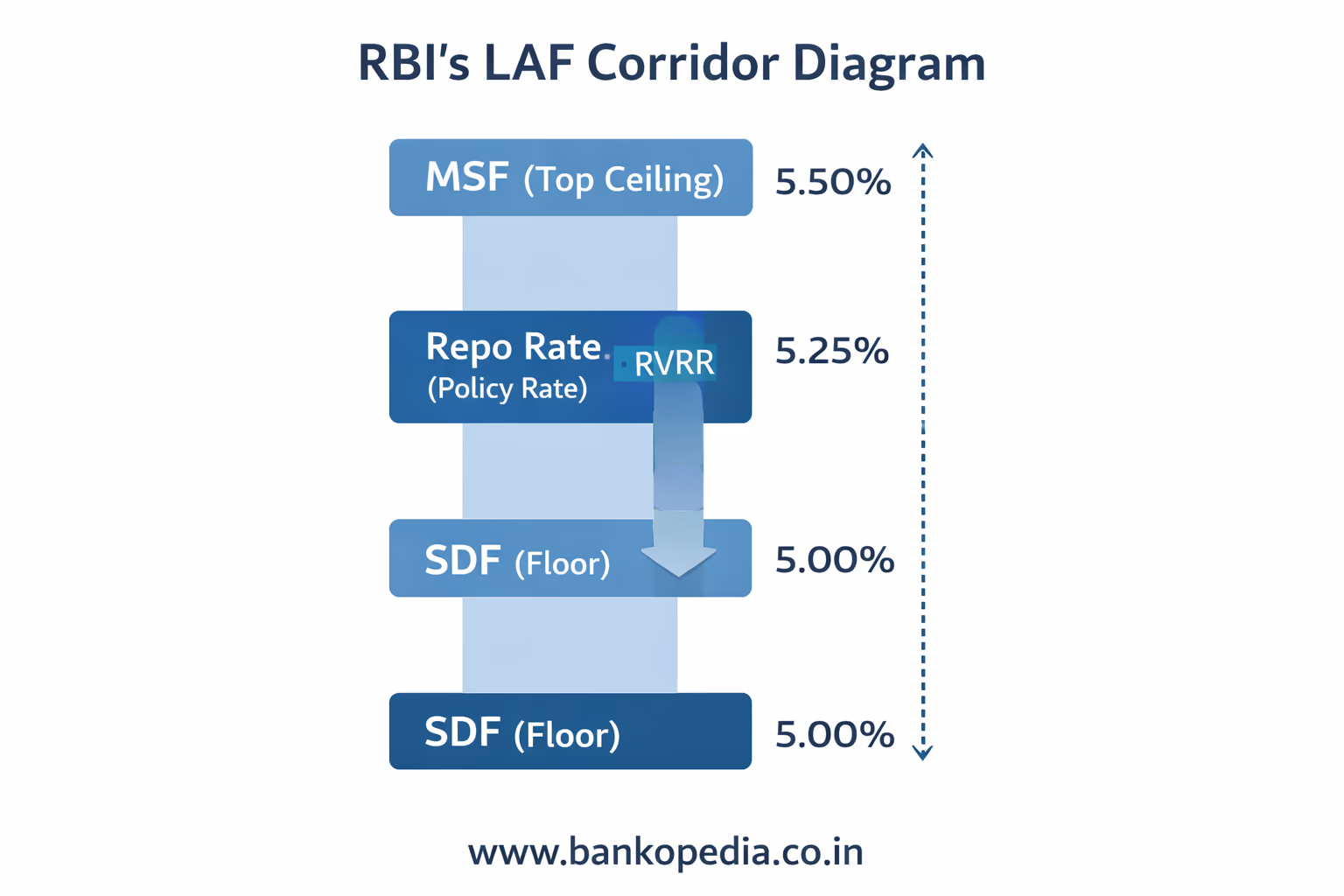
- RBI Monetary Policy Statement, February 2026 — rbi.org.in — Repo Rate: 5.25%; SDF Rate: 5.00%; MSF Rate: 5.50%; Bank Rate: 5.50%; Reverse Repo Rate: 3.35%.
- CGTMSE Annual Report / Official Portal — cgtmse.in — Guarantee limit (₹5 crore), cumulative guarantee approvals (₹7 lakh crore+, 80 lakh+ proposals).
- PSB Loans in 59 Minutes Portal — psbloansin59minutes.com — Digital MSME loan processing, in-principle approval mechanism.
- Stand-Up India Scheme Guidelines — standupmitra.in — Loan range (₹10 lakh to ₹1 crore) for SC/ST and women entrepreneurs.
- Udyam Registration Portal — udyamregistration.gov.in — MSME registration framework under MSMED Act.
Note: Interest rate figures are indicative ranges based on prevailing MCLR/EBLR benchmarks as of March 2026. Always confirm current rates with individual lenders. Scheme guidelines are subject to revision by the Government of India and RBI.
Author Bio
Prashant Singh is a banking and fintech professional and the creator of Bankopedia.co.in. He combines hands-on experience in banking operations, credit analysis, and data-driven financial analytics to simplify MSME lending and Indian banking regulations for practical use. He holds an Executive Diploma in Applied Financial Risk Management from IIM Kashipur and focuses on translating complex schemes like Mudra, CGTMSE, and RBI policy frameworks into clear, step-by-step guidance for first-generation entrepreneurs and banking exam aspirants.
© 2026 | This article is for informational purposes only and does not constitute financial or legal advice. Please consult a certified financial advisor or your bank for personalised guidance.
When considering financing options, it’s vital to weigh the choices between Mudra Loan vs Bank Loan, as each has unique benefits tailored for different business needs.
The ongoing debate of Mudra Loan vs Bank Loan is crucial for micro and small enterprises as they seek to establish a foothold in the market.
Thus, understanding Mudra Loan vs Bank Loan will equip you with the knowledge necessary to make confident financial decisions.
The choice of financing through Mudra Loan vs Bank Loan should be based on your specific business requirements and future growth potential.
Ultimately, a thorough assessment of Mudra Loan vs Bank Loan will guide MSMEs in selecting the most suitable financial pathway.
The ongoing comparison of Mudra Loan vs Bank Loan highlights the evolving landscape of MSME financing.
As we conclude this analysis, keep the key points of Mudra Loan vs Bank Loan at the forefront of your decision-making process.