Meta Description: Master the CAIIB exam 2026 with our comprehensive guide. Explore the revised syllabus, eligibility, study plans, and expert tips to accelerate your banking career.
In recent examination cycles, the Indian Institute of Banking and Finance (IIBF) has recorded an unprecedented surge in banking professionals registering for the CAIIB exam.
This is no coincidence in today’s fiercely competitive banking ecosystem.
As banks increasingly mandate advanced certifications for promotional cadres above Scale II, the Certified Associate of Indian Institute of Bankers (CAIIB) has evolved dramatically.
It is no longer just an optional credential to polish your resume; it has become a strict, career-defining qualification.
Many public and private sector banks now make it legally mandatory for officers seeking promotion to Middle Management Grades (Scale III and above).
These internal promotion policies are heavily aligned with the latest Indian Banks’ Association (IBA) guidelines, which prioritize specialized knowledge.
This comprehensive guide provides banking professionals with a complete, step-by-step roadmap to clear the CAIIB exam under the newly revised syllabus structure.
Whether you are a newly confirmed Scale I officer planning your first attempt or a seasoned, mid-career banker facing a promotional bottleneck, this article is for you.
We will equip you with regulatory knowledge, practical examples, and time-tested preparation techniques.
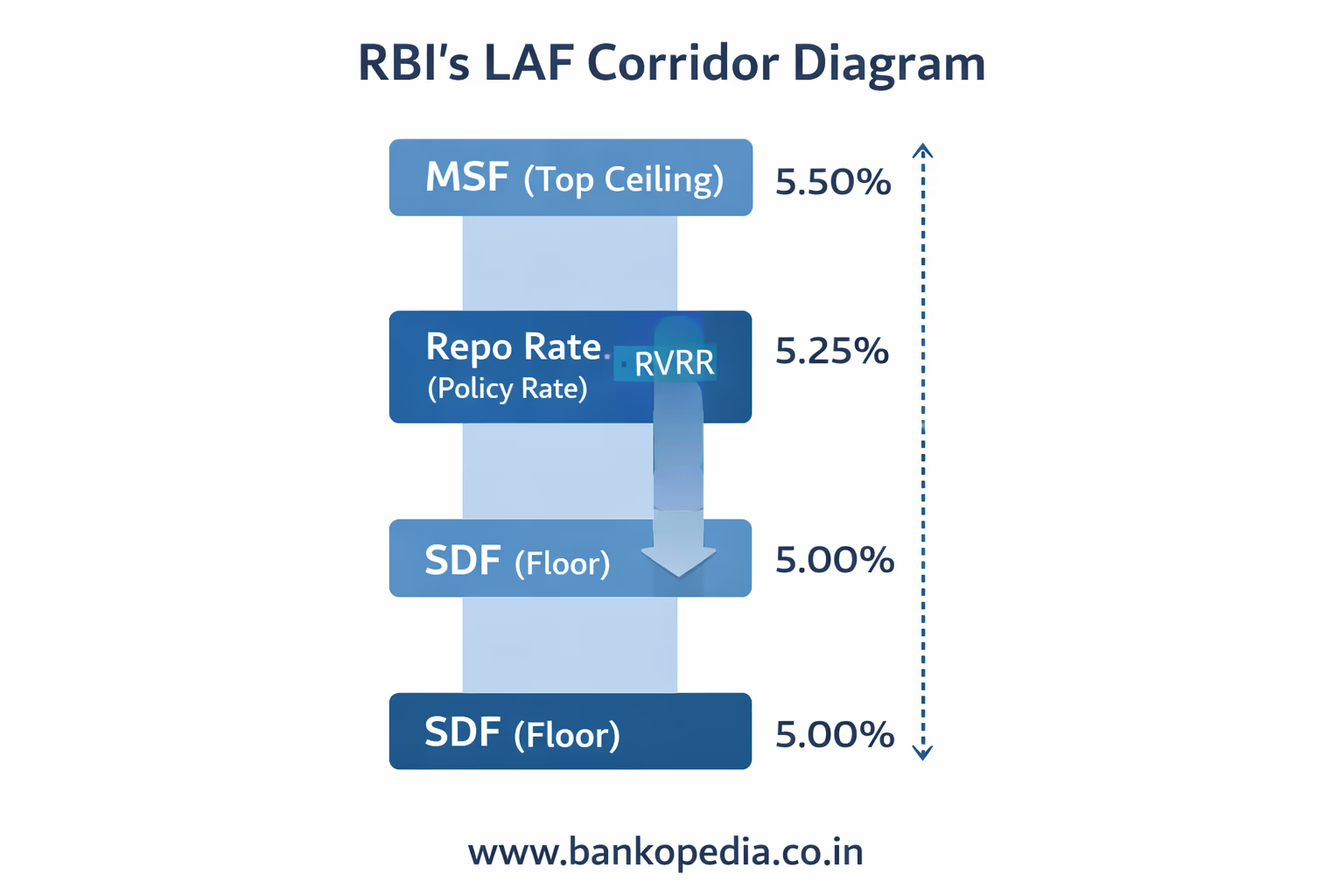
Mastering this content will help you accelerate your career progression in a dynamic landscape where macroeconomic indicators, like the current Repo Rate at 5.25% and CRR at 3.00%, dictate daily banking strategies.
Table of Contents
⭐ Key Takeaways
Understanding the baseline mechanics of the examination is your first step toward success.
The IIBF has revamped the structure to align Indian bankers with global financial standards.
Here are the most critical updates you must internalize before starting your preparation:
- Revised Syllabus Structure: The CAIIB examination now strictly comprises four compulsory papers plus one elective from five highly specialised subjects.
- Core Papers: Advanced Bank Management, Bank Financial Management, Advanced Business & Financial Management, and Banking Regulations and Business Laws.
- Eligibility Requirements: Candidates must possess a valid JAIIB certification and maintain an active IIBF membership.
- No Service Requirement: There is no minimum two-year service requirement to appear for the exam itself, allowing ambitious newcomers to fast-track their careers.
- Exam Format: IIBF conducts the CAIIB examinations twice annually (typically in the May/June and November/December cycles).
- Scoring System: You will face 100 Multiple Choice Questions (MCQs) per paper, each carrying 100 marks. Crucially, there is no negative marking.
- Passing Criterion: The minimum passing mark is 50% per subject.
- The Aggregate Loophole: Alternatively, candidates can pass by securing at least 45 marks in each subject with an aggregate of 50% across all papers, provided all papers are attempted in a single sitting.
- Strategic Preparation: Clearing this dense five-paper format requires 250–300 hours of focused study and mastery of recent RBI Master Directions.
CAIIB Exam 2026: Eligibility Criteria and Registration Process
Before you purchase a single textbook or download a mock test, you must confirm your standing with the IIBF.
The CAIIB exam eligibility framework is governed by strict IIBF regulations that admit zero exceptions.
The Two Primary Eligibility Pillars
To sit for the CAIIB, you must satisfy two fundamental criteria without fail.

- Prior Certification: Candidates must possess a valid JAIIB certification (or have successfully cleared Part 1 of the older Associate Examination).
- Active Membership: Candidates must hold an active, ongoing membership with the IIBF, with annual subscriptions not in arrears.
Who Exactly Can Apply?
The IIBF casts a relatively wide net across the Indian financial sector, but the rules are specific.
Officers working in commercial banks (both public and private sectors) are universally eligible.
This also extends to staff in cooperative banks registered under the Banking Regulation Act, 1949, and Regional Rural Banks (RRBs) constituted under RBI guidelines.
Employees of apex financial institutions like NABARD, SIDBI, EXIM Bank, and the National Housing Bank (NHB) are highly encouraged to apply.
Special Note for NBFC Employees: Candidates operating within non-banking financial companies (NBFCs) face an extra administrative step. You must proactively verify your specific institution’s IIBF-approved status before initiating registration.
Navigating the Registration Portal
The registration process typically opens 90 days before each scheduled examination cycle.
All applications are processed exclusively through the official IIBF online portal.
Candidates must securely upload their verified JAIIB mark sheets and remit the required examination fees through digital payment gateways.
The Tiered Fee System Explained:
- Early Bird Registration: The first week of the window offers the standard, lowest base fee.
- Standard Registration: The second and third weeks incur a moderate additional fee.
- Late Registration: The final days of the window apply a steep penalty surcharge.
💡 Banker’s Tip: Register during the early bird window not just to save money, but to secure your preferred examination centre. Tier-2 city centres often boast better IT infrastructure, superior seating arrangements, and significantly less crowding than hyper-dense metro centres. A calm environment directly improves your cognitive performance.
Compulsory Papers: The Core Four
Under the comprehensively revised syllabus, CAIIB candidates must clear four compulsory papers.
This rigorous structure demands a deep, interconnected understanding of the modern banking ecosystem.
You are no longer just learning localized branch rules; you are learning how international finance, domestic law, and corporate strategy intersect.
Paper I: Advanced Bank Management (ABM)
ABM serves as the strategic foundation of the CAIIB credential.
It covers the high-level, macro aspects of banking operations, intentionally pulling candidates out of the branch and into the corporate office mindset.
Core Focus Areas in ABM:
- Statistics and Economic Analysis: Understanding GDP, inflation targeting, and business cycles.
- Human Resource Management: Managing “Human Capital” in a rapidly digitizing banking era.
- Credit Management: The most heavily weighted section, focusing on complex loan appraisals.
- Compliance: Navigating the internal audit and statutory compliance frameworks.
Why This Matters in the Real World: This paper ruthlessly tests a banker’s ability to apply academic concepts to high-stakes, real-world scenarios.
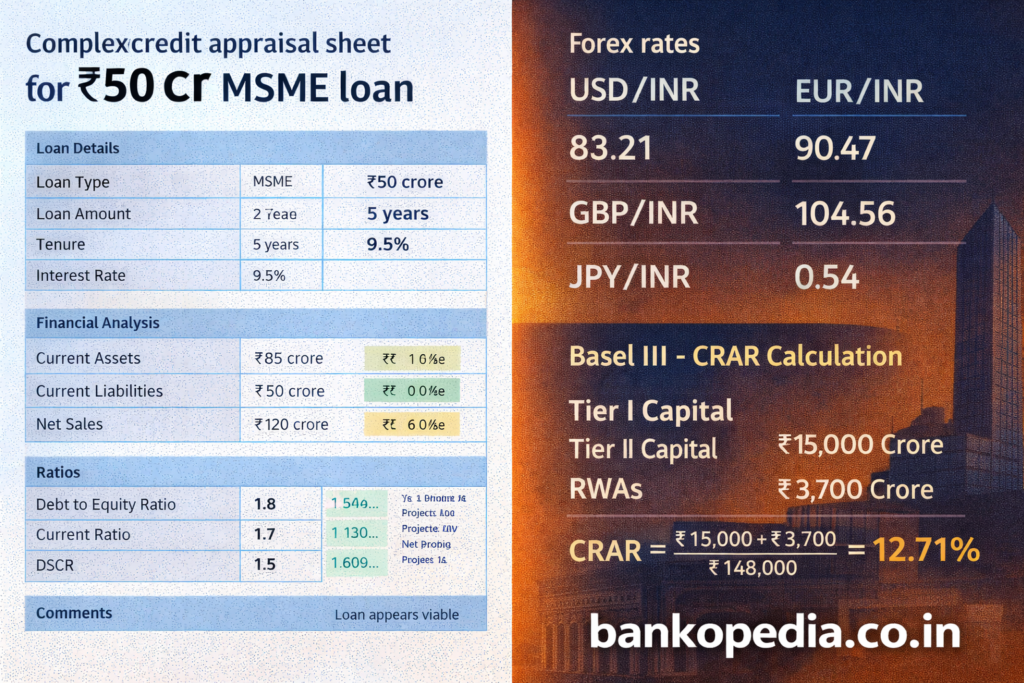
For example, you will not just define working capital; you will be asked to evaluate a complex ₹50 crore term loan proposal for a manufacturing firm.
You must calculate their operating cycle, assess projected cash flows, and use standard deviation to understand data sampling in credit risk models.
Paper II: Bank Financial Management (BFM)
Universally considered the most numerically intense and conceptually challenging paper of the exam, BFM separates average candidates from top-tier financial minds.
Core Focus Areas in BFM:
- International Banking: Deep dive into foreign exchange, Letters of Credit (LCs), and guarantees.
- Risk Management: Comprehensive frameworks for mitigating Credit, Market, and Operational Risk.
- Treasury Operations: Understanding how the bank manages its own massive investment portfolio.
- Balance Sheet Management: Asset-Liability Management (ALM) and maturity profiling.
Mastering the Complexities: Candidates must master complex concepts like calculating cross rates, understanding Nostro/Vostro accounts, and forex forward contract pricing.
Furthermore, you must intimately understand Basel III frameworks.

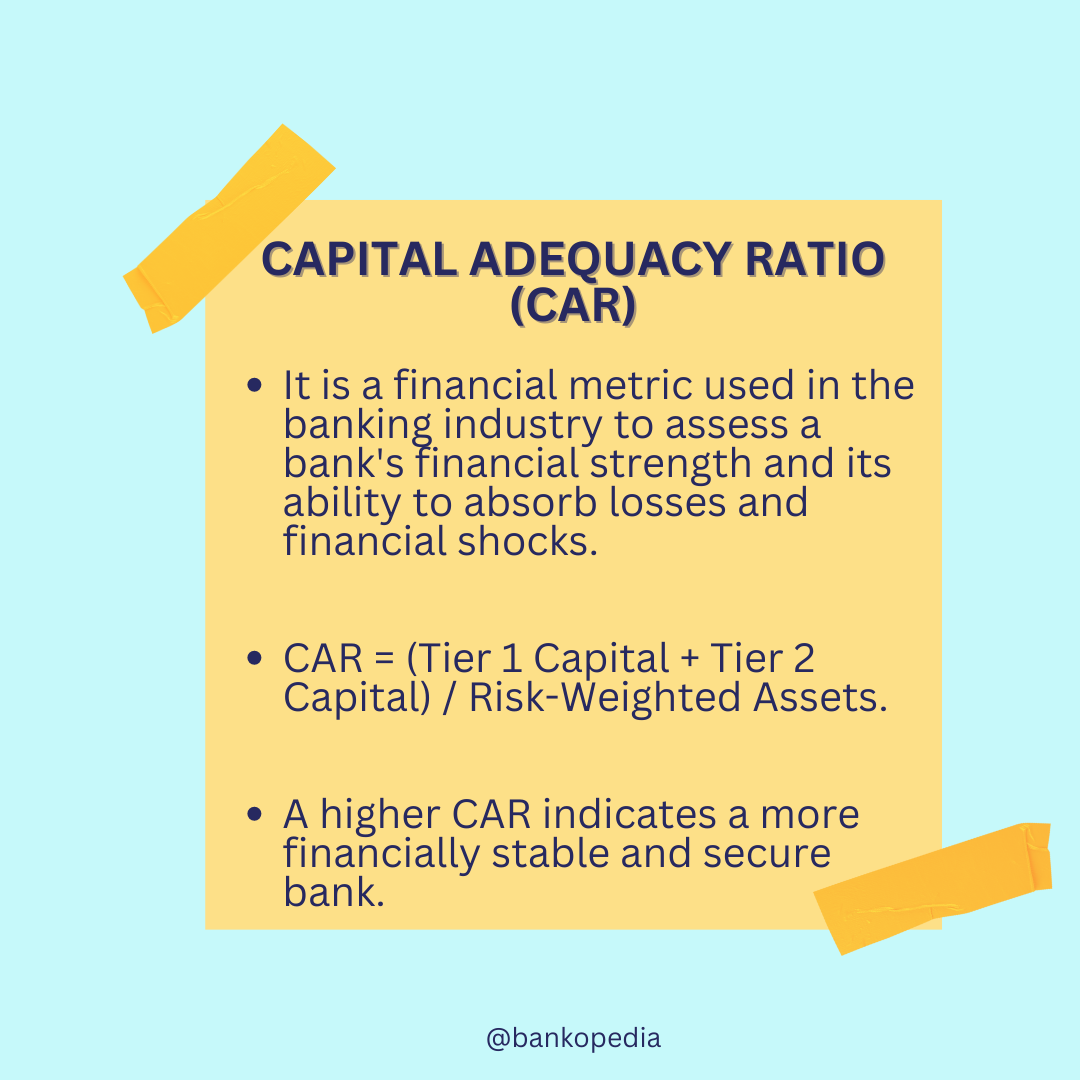
In 2026, Indian banks are mandated to maintain a minimum Capital to Risk-Weighted Assets Ratio (CRAR) of 11.50%. BFM tests your ability to calculate this precisely using Tier 1 and Tier 2 capital data.
Paper III: Advanced Business & Financial Management (ABFM)
This newly introduced paper bridges the gap between traditional banking operations and high-level corporate finance.
It equips bankers to deal confidently with large corporate clients, Chief Financial Officers (CFOs), and institutional investors.
Core Focus Areas in ABFM:
- The Management Process: Strategic planning, organizing, and corporate leadership theories.
- Advanced Corporate Finance: Understanding cost of capital, capital budgeting, and leverage.
- Business Valuations: Learning how to value a company using Discounted Cash Flow (DCF) methods.
- Mergers and Acquisitions (M&A): Understanding synergy, hostile takeovers, and leveraged buyouts.
The Future of Banking: When a corporate client approaches your bank for acquisition financing, a CAIIB-certified banker must understand how the target company was valued.
Furthermore, ABFM dives into emerging business solutions like Green Finance and ESG (Environmental, Social, and Governance) criteria, which are rapidly becoming mandatory parameters in large corporate loan appraisals.
Paper IV: Banking Regulations and Business Laws (BRBL)
A bank operates entirely within a strict, unforgiving legal framework.
BRBL ensures that senior officers do not expose the bank to legal liabilities, severe compliance penalties, or devastating reputational damage.
Core Focus Areas in BRBL:
- The SARFAESI Act, 2002: Crucial for managing Non-Performing Assets (NPAs) without court intervention.
- FEMA: Strict regulations governing foreign exchange transactions and cross-border remittances.
- Consumer Protection Laws: Understanding the rights of the bank’s customers and the Banking Ombudsman scheme.
- Commercial Laws: The Indian Contract Act, Companies Act, and the Transfer of Property Act.
Practical Application: Understanding the exact legal timeline of issuing a Section 13(2) notice under SARFAESI is heavily tested here.
You must know the critical legal differences between taking symbolic possession versus physical possession of a collateral property.
💡 Banker’s Tip: Create a separate, dedicated notebook purely for RBI Master Directions and meticulously update it on the first weekend of every month. A significant, decisive portion of the advanced questions directly tests very recent regulatory changes. Candidates who maintain dynamic, current awareness consistently outscore those relying solely on static, older textbooks.
Elective Papers: Choosing Your Specialisation Strategically
Beyond the core four compulsory subjects, CAIIB candidates must select one elective paper from five highly specialized options.
This is a critical strategic decision that will shape your study schedule and future career trajectory.
Your choice should seamlessly align with your current job profile, daily operational exposure, and long-term career aspirations.
Choosing an elective purely because it is rumored on social media to be “easy” often backfires entirely.
1. Risk Management
- Core Topics: Deep exploration of Credit Risk rating models, Market Risk (Value at Risk methodologies), Operational Risk frameworks, and advanced Basel Norms.
- Ideal For: Credit Officers, Treasury Staff, and professionals aiming for the Risk Management Department (RMD).
- Pros: Highly respected by senior management. Aligns perfectly with the math-heavy BFM paper.
- Cons: Extremely numerical. Requires a strong grasp of statistics and probability.
2. Information Technology & Digital Banking
- Core Topics: Cyber Security protocols, Core Banking System Design, Digital Channels (UPI, CBDC, IMPS), and executing comprehensive IT Audits.
- Ideal For: IT Officers, Digital Banking Managers, and tech-savvy operations staff.
- Pros: Highly relevant to the future of banking. Future-proofs your career against automation.
- Cons: The syllabus changes rapidly. Textbooks become outdated quickly, requiring constant independent research.
3. Human Resources Management
- Core Topics: Scientific Recruitment processes, Training & Development lifecycle, Motivation theories, Industrial Relations (IR), and union bipartite settlements.
- Ideal For: Personnel Officers, HR Departments, and prospective Branch Managers.
- Pros: Generally less mathematical. Easy to relate to if you manage a large team at a branch.
- Cons: Can be highly subjective. Requires memorizing numerous management theories and psychological models.
4. Central Banking
- Core Topics: RBI Functions in depth, Monetary Policy formulation, managing Financial Stability, and managing government debt issuances.
- Ideal For: Aspiring Regulators, Policy Analysts, Economists, and those targeting lateral entry into the Reserve Bank of India.
- Pros: Provides a fascinating macro-level bird’s-eye view of the national economy.
- Cons: Very theoretical. Lacks direct, daily practical application for standard retail branch operations.
5. Rural Banking
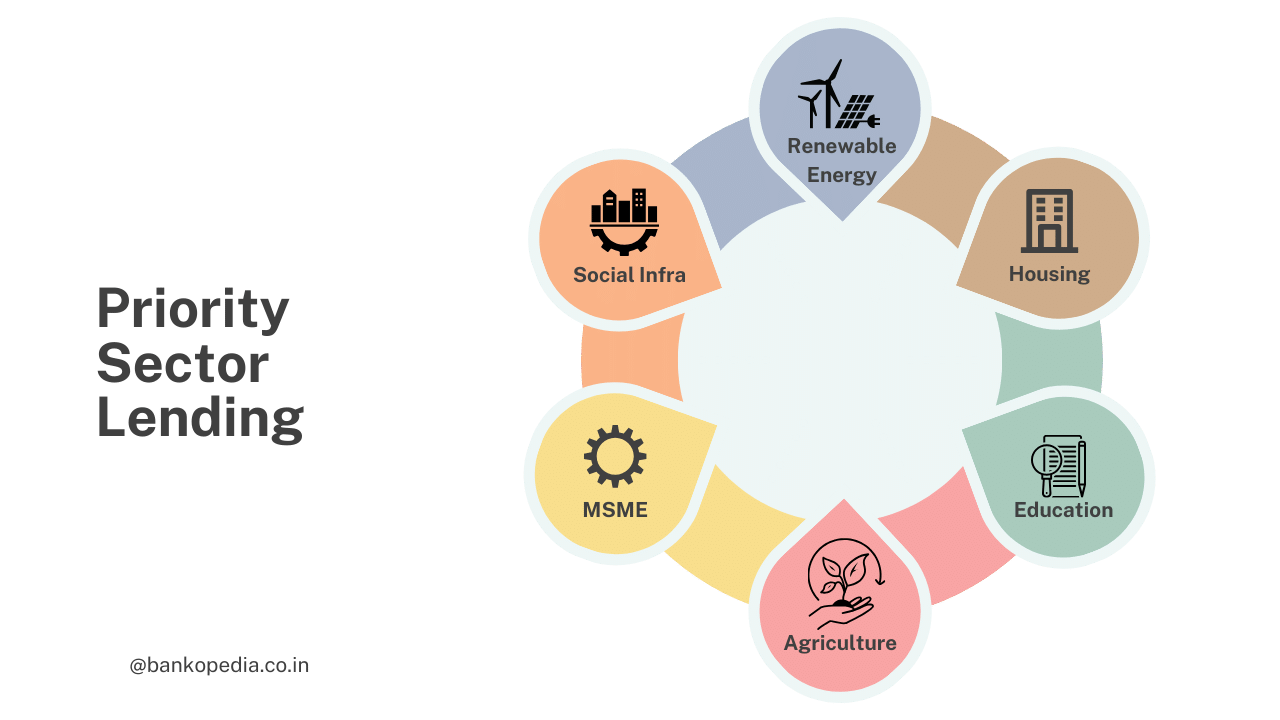
- Core Topics: Priority Sector Lending (PSL) nuances, Kisan Credit Card (KCC) lifecycles, Self Help Group (SHG) bank linkage programs, and NABARD refinance schemes.
- Ideal For: RRB Officers, Rural/Semi-Urban Branch Managers, and Agriculture Field Officers (AFOs).
- Pros: Extremely scoring if you are already posted in a rural branch, as you live the syllabus daily.
- Cons: Highly niche. Might not benefit a corporate banker stationed in a metro city.
Proven Study Strategy: The 250-Hour Preparation Framework

Because the revised syllabus contains five heavy, conceptually dense papers, passing relies entirely on structured consistency.
Last-minute cramming simply does not work for the CAIIB.
Successful candidates typically invest 250–300 hours of focused preparation spread over a rigorous 14–16 week period.
Here is the exact phase-by-phase breakdown used by top-percentile scorers.
Weeks 1-4 (Foundation Building)
Your first month should be dedicated entirely to building conceptual foundations for the two hardest papers: ABM and BFM.
Utilize the official IIBF Macmillan reference books as your primary source of truth.
Do not take notes yet; focus on pure comprehension.
Prioritize high-weightage, mathematically heavy areas like Credit Management ratios in ABM and Asset-Liability Management (ALM) in BFM.
Weeks 5-10 (Intensive Learning)
In phase two, broaden your scope to complete the syllabus for ABFM, BRBL, and your strategically chosen elective.
Transition from passive reading to active note-taking.
Create concise, highly condensed notes—mind maps work exceptionally well for tracking legal timelines in BRBL.
Simultaneously, dedicate one hour every Sunday to reading recent RBI circulars from the past six months, cross-referencing them with your textbook concepts.
Weeks 11-14 (Application & Testing)
This is where the real growth happens. Shift your focus entirely from learning new concepts to testing your retained knowledge.
Attempt at least 3-5 full-length mock tests per paper in a simulated, timed environment.
The goal here is not just scoring high marks, but building mental stamina, time management speed, and accuracy over a grueling 2-hour sitting.
Spend equal time analyzing your incorrect answers to identify blind spots.
Weeks 15-16 (Final Revision)
In the final two weeks, strictly put the thick textbooks away.
Review only your condensed handwritten notes.
Rigorously revise a dedicated, one-page formula sheet containing critical calculations like DSCR, ICR, Modified Duration, and Macaulay Duration.
Finally, attempt previous year memory-based questions from the last two cycles to get a feel for the specific phrasing the IIBF examination setters use.
Practical Example: A Candidate’s Preparation Journey
To truly understand what it takes to clear the CAIIB, let’s look at a real-world scenario of a successful candidate.
📋 The Scenario: Consider Priya Menon, a Scale I officer at a large public sector bank.
Priya handles high-volume MSME and Retail Credit at a busy semi-urban branch.
Realizing that the upcoming promotion cycle heavily favored candidates with advanced certifications, Priya decided to appear for the CAIIB exam in the May/June cycle.
The Strategy: Because she routinely assesses commercial loan risks, reads corporate balance sheets, and evaluates company financials on a daily basis, she logically chose Risk Management as her elective.
It complemented her day job perfectly, reducing her overall study burden.
She drafted a strict schedule, allocating exactly 280 hours over 15 weeks.
Her routine involved waking up at 5:00 AM to study for two uninterrupted hours before the chaos of branch hours began.
She utilized longer 6-hour blocks on the second and fourth Saturdays (bank holidays) for full-length mock tests.
Tackling the Hard Subjects: She spent the bulk of her first 6 weeks aggressively tackling BFM and ABFM, which required advanced numerical practice she hadn’t touched since university.
Instead of just reading about financial ratios, she dedicated specific days purely to mathematical mock tests.
She created visual formula flashcards for critical metrics like Fixed Obligation to Income Ratio (FOIR), Loan to Value (LTV), and Capital to Risk-Weighted Assets Ratio (CRAR).
The Result: By treating her preparation like a high-priority bank audit, Priya walked into the exam hall with immense confidence.
She successfully cleared all five papers in her first attempt with an impressive 65% aggregate score.
Not only did she earn her credential, but the practical knowledge she gained helped her directly restructure a major NPA account at her branch, earning her eligibility for a fast-track promotion to Scale II.
Practice MCQs with Expert Breakdowns
To gauge the depth of knowledge required for the 2026 exams, review these sample questions along with their comprehensive explanations.
MCQ 1: Under Basel III norms, what is the exact minimum Capital to Risk-Weighted Assets Ratio (CRAR) mandated by the RBI for Indian scheduled commercial banks (specifically including the capital conservation buffer)? A. 9.00% B. 10.50% C. 11.50% D. 13.00%
✅ Answer: C Expert Explanation: While the global Basel III committee mandates a baseline minimum of 8%, the Reserve Bank of India adopts a significantly more conservative stance. RBI mandates a minimum core CRAR of 9% for scheduled commercial banks, plus an additional mandatory 2.50% Capital Conservation Buffer (CCB). Therefore, 9.00% + 2.50% = 11.50%. This question perfectly illustrates how CAIIB tests your understanding of strict India-specific regulatory requirements, not just global baselines.
MCQ 2: Under the comprehensively revised IIBF syllabus, which of the following subjects is strictly considered a compulsory paper in the CAIIB examination? A. Retail Banking B. Information Technology & Digital Banking C. Advanced Business & Financial Management D. Central Banking
✅ Answer: C Expert Explanation: Advanced Business & Financial Management (ABFM) is a core, mandatory paper introduced to modernize the curriculum toward corporate finance. In previous syllabus iterations, Retail Banking was a highly popular elective, but it has been entirely removed as a CAIIB subject. Information Technology and Central Banking remain specialized elective choices, not compulsory requirements.
MCQ 3: An Indian commercial bank has total Net Demand and Time Liabilities (NDTL) or deposits amounting to ₹50,000 crore. With the Cash Reserve Ratio (CRR) strictly at 3.00% and the Statutory Liquidity Ratio (SLR) at 18.00%, what is the maximum amount of funds available to the bank for lending and investment in non-SLR market securities? A. ₹37,500 crore B. ₹38,500 crore C. ₹39,500 crore D. ₹41,000 crore
✅ Answer: C Expert Explanation: Banks cannot lend out 100% of their customer deposits; they must maintain mandatory reserve buffers for safety.
- First, calculate the CRR kept with the RBI in cash: ₹50,000 crore × 3% = ₹1,500 crore.
- Next, calculate the SLR kept in liquid assets like government bonds: ₹50,000 crore × 18% = ₹9,000 crore.
- Finally, subtract these mandatory reserves from the total deposits to find the lendable amount: ₹50,000 – (₹1,500 + ₹9,000) = ₹39,500 crore. This basic macroeconomic calculation forms the absolute foundation of the Treasury operations covered in the BFM paper.
Frequently Asked Questions (FAQs)
Q1. What is the exact CAIIB exam structure and passing logic for 2026?
The CAIIB examination strictly consists of five massive papers.
There are four compulsory papers (Advanced Bank Management, Bank Financial Management, Advanced Business & Financial Management, and Banking Regulations and Business Laws).
Plus, you must clear one elective paper chosen from five specific options (Rural Banking, HRM, IT & Digital Banking, Risk Management, or Central Banking).
To pass, you must score a minimum of 50 out of 100 in each paper independently.
However, the IIBF offers an aggregate loophole: if you attempt all five papers in a single cycle and score at least 45 in each, with a total aggregate score of 250 or more across all five, you will be declared passed.
Q2. Is CAIIB significantly harder than JAIIB?
Yes, objectively and conceptually, CAIIB is considerably more challenging.
While JAIIB tests basic, foundational banking operations (the “how-to” manual of daily banking), CAIIB demands advanced conceptual depth and strategic oversight.
It requires candidates to apply complex banking theory to multi-layered, ambiguous case studies.
Furthermore, the extensive numerical problem-solving (especially in BFM and ABFM) and the focus on strategic decision-making abilities require a much higher level of cognitive processing than JAIIB’s simple memory-based questions.
Q3. Do I need two years of physical banking experience to apply for CAIIB?
No. This is a common, persistent myth within bank branches.
To officially apply for the CAIIB exam, you strictly need only two things: to be a registered, dues-paying member of the IIBF, and to have successfully cleared the JAIIB examination.
The much-debated “experience requirements” typically apply internally within individual banks regarding when an officer is actually eligible for a promotion, rather than for sitting the IIBF examination itself.
Ambitious candidates can, and often do, clear CAIIB in their very first year of joining the bank if they have already cleared JAIIB.
Conclusion
The CAIIB Exam 2026 is undoubtedly a severe test of mental endurance as much as it is a test of financial knowledge.
With the revised five-paper syllabus, the IIBF has raised the bar, demanding that Indian bankers operate on par with global financial leaders.
However, this challenge represents a massive opportunity.
By strategically selecting your elective, adhering to the 250-hour study framework, and staying meticulously updated with the latest RBI Master Directions, you can conquer this exam.
You are not just passing an arbitrary test; you are actively preparing yourself for the heavy responsibilities, complex risk management, and strategic leadership required of a senior bank executive.
The effort you put in today during those early 5:00 AM study sessions will directly translate into accelerated promotions, higher salary brackets, and profound professional respect tomorrow.
Call to Action
Ready to kickstart your CAIIB 2026 preparation? Don’t navigate this complex journey alone.
Drop a comment below with your chosen elective paper, and let us know which subject you find the most challenging!
If you found this guide helpful, share this article with your colleagues on WhatsApp or LinkedIn to help them structure their study plans.
Make sure to bookmark this page and subscribe to our newsletter for weekly updates on RBI Master Directions, free mock test PDFs, and expert numerical breakdowns sent straight to your inbox.