
> Quick Answer: When a bank evaluates your MSME loan application, it assesses five core dimensions — your willingness to repay (Character), your cash flow (Capacity), your own investment in the business (Capital), your security (Collateral), and the economic environment (Conditions). On top of these, it runs a detailed financial ratio analysis, scrutinises your GST returns, bank statements, and ITRs, and assigns an internal risk rating that determines your interest rate. This guide explains every step in plain language.
If you have ever wondered why your MSME loan application was rejected despite a profitable business — or why it took months to get approved — the answer almost always lies in how banks conduct MSME credit assessment.
Credit appraisal is not arbitrary. Indian banks follow well-defined frameworks mandated by the Reserve Bank of India (RBI) and refined through decades of lending practice. Understanding this process gives you a significant advantage: you can prepare a stronger application, anticipate the questions a credit officer will ask, and avoid the most common pitfalls that send thousands of MSME proposals to the rejection pile every year.
This guide breaks down the entire MSME credit assessment process — from the regulatory framework and financial ratios to qualitative factors, modern data tools, and practical steps to make your business more bankable.
Table of Contents
1. The Regulatory Foundation: What Governs MSME Lending in India
Every MSME credit assessment in India operates within a regulatory architecture set by the Reserve Bank of India (RBI). Understanding this framework matters because it explains not just how banks lend, but why they are structured to actively pursue MSME credit.
The primary regulatory instruments governing MSME lending include:
- RBI Master Direction on Priority Sector Lending (PSL) — sets lending targets for banks
- RBI Master Circular on IRACP (Income Recognition, Asset Classification, and Provisioning) — governs how banks classify and provide for loans
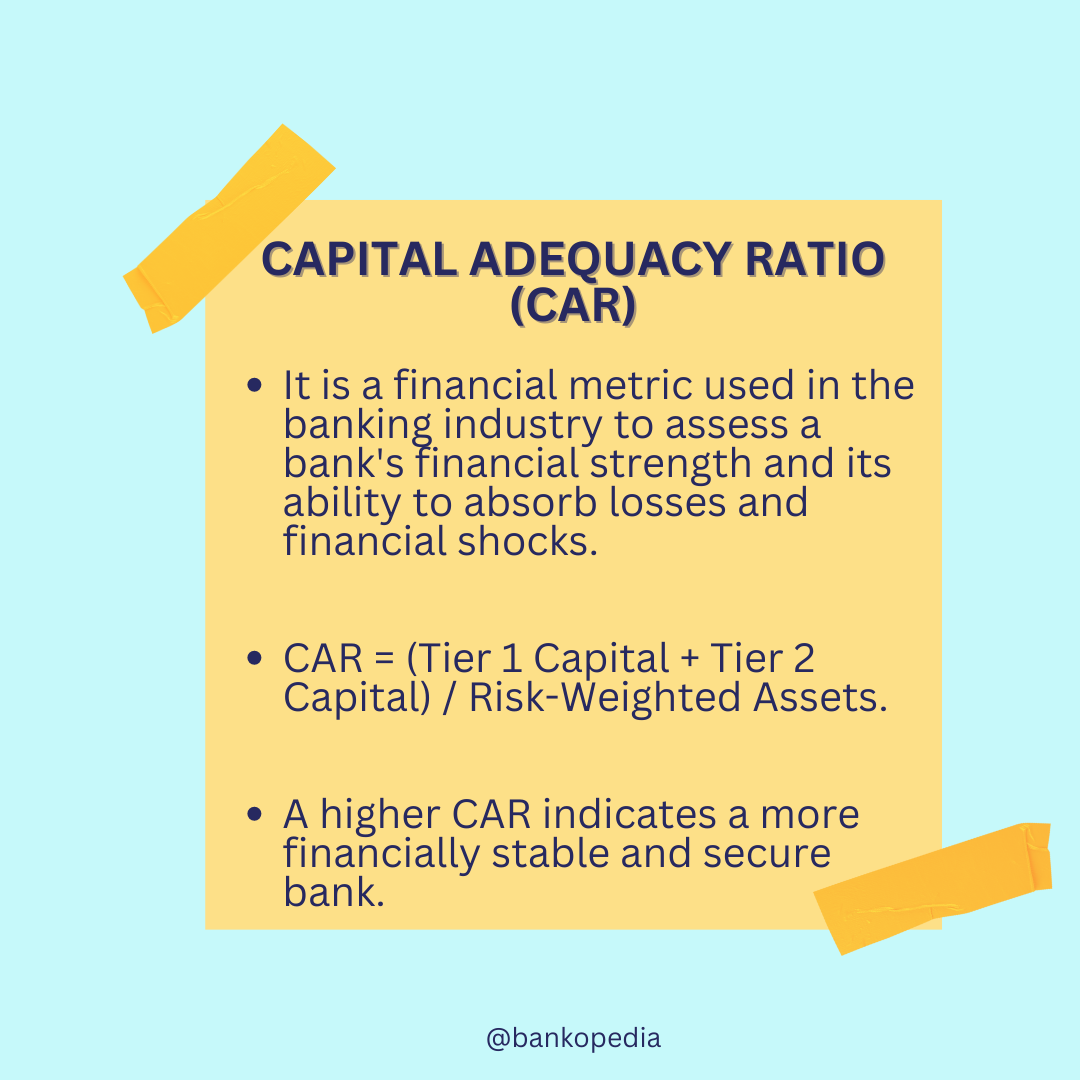
- Basel III Capital Framework (as adopted by RBI) — determines how much capital banks must hold against loans, which directly affects risk appetite and pricing
- RBI Account Aggregator Framework — enables digital, consented financial data sharing for faster credit decisioning
These are not abstract regulations. They shape the credit officer’s checklist, the interest rate you are offered, and the collateral you are asked to provide.
2. MSME Definition Under Udyam Registration (2020 Onwards)
Before a bank can assess your MSME loan application, it must first verify that you legally qualify as an MSME. Since 1 July 2020, India has used a composite criterion — combining investment in plant and machinery (or equipment for service enterprises) with annual turnover — to define MSMEs (Ministry of MSME Notification S.O. 2119(E), 2020).
| Category | Investment in Plant & Machinery / Equipment | Annual Turnover |
|---|---|---|
| Micro Enterprise | Up to ₹1 crore | Up to ₹5 crore |
| Small Enterprise | Up to ₹10 crore | Up to ₹50 crore |
| Medium Enterprise | Up to ₹50 crore | Up to ₹250 crore |
> Important: Your enterprise must satisfy both thresholds simultaneously. Exceeding either limit — even if the other remains within range — moves you to the next category.
Your Udyam Registration Certificate is the primary document banks use to confirm MSME status. It also unlocks eligibility for priority sector lending, CGTMSE cover, and a range of government credit schemes. If you have not registered yet, do so at udyamregistration.gov.in.
Related: Complete Guide to Udyam Registration for MSMEs
3. Priority Sector Lending: Why Banks Are Motivated to Lend to MSMEs
Here is something most MSME borrowers do not know: banks are required by the RBI to lend to you.
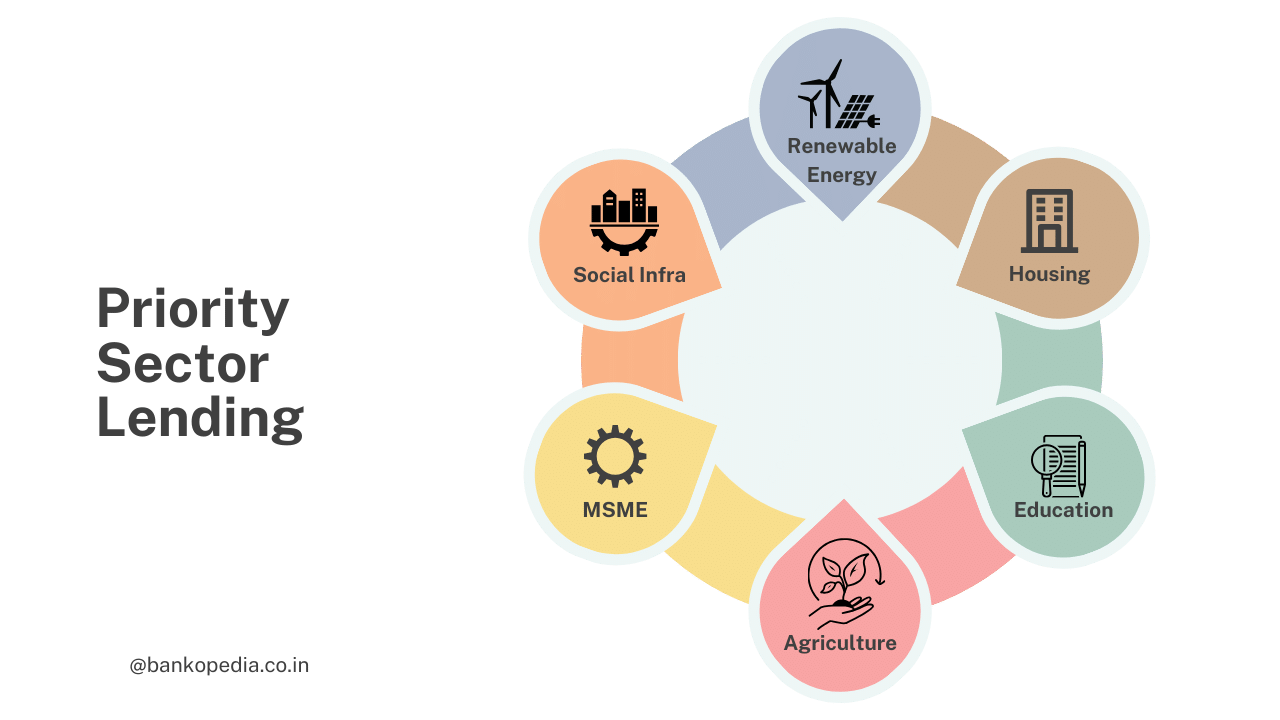
Under the RBI’s Priority Sector Lending (PSL) framework, domestic scheduled commercial banks must allocate:
- 40% of Adjusted Net Bank Credit (ANBC) to priority sectors overall
- 7.5% of ANBC specifically to micro enterprises (RBI Master Direction — PSL Directions, 2020)
Banks that miss these targets are required to deposit shortfalls in the RIDF (Rural Infrastructure Development Fund) or similar low-yield funds — making under-performance costly. This creates a genuine, structural incentive for bank credit officers to actively pursue eligible MSME applications.
What this means for you: When you walk into a bank with a well-prepared MSME loan proposal, you are not asking for a favour. You are helping the bank meet a regulatory obligation. Use this leverage. Approach your lender with confidence, not desperation.
4. Key Government Schemes: CGTMSE, ECLGS, and TReDS
Three schemes are particularly important for MSME borrowers to understand during credit assessment.
CGTMSE: Collateral-Free Credit Guarantee
The Credit Guarantee Fund Trust for Micro and Small Enterprises (CGTMSE), established jointly by the Government of India and SIDBI, provides a first-loss guarantee to banks on MSME loans — enabling lenders to extend credit without demanding immovable property as collateral.
This is transformational for asset-light businesses: a garment manufacturer operating out of rented premises, or a software services firm with no fixed property, can access formal bank credit under CGTMSE cover that would otherwise require property security. Member lending institutions include most scheduled commercial banks, select NBFCs, and Small Finance Banks (CGTMSE Scheme Guidelines). Visit cgtmse.in for current guarantee coverage limits.
Related: How to Apply for a CGTMSE-Backed Loan: Step-by-Step Guide
ECLGS: Emergency Credit Line Guarantee Scheme
Launched under the Aatmanirbhar Bharat package in 2020, ECLGS provided government-guaranteed emergency credit to MSMEs stressed by the COVID-19 pandemic. While active disbursements under the scheme have concluded, it established an important precedent: the use of government-backed credit guarantees as a countercyclical instrument during sector-wide stress. Its legacy directly informs current policy discussions on MSME credit risk-sharing.
TReDS: Turning Unpaid Invoices into Working Capital
Trade Receivables Discounting System (TReDS) is an RBI-regulated digital platform that allows MSMEs to discount unpaid invoices raised on large corporate buyers or government entities — converting receivables into immediate liquidity through competitive bidding among financiers (RBI Master Direction on TReDS).
If your business supplies goods or services to large companies or government departments but waits 60–90 days for payment, TReDS could be your most efficient source of working capital — without adding to your loan liability. Active TReDS platforms include M1xchange, RXIL, and Invoicemart.
Related: TReDS Explained: How MSMEs Can Use Invoice Discounting
5. Core Credit Assessment Frameworks: 5 Cs and CAMPARI
The 5 Cs of Credit: The Universal Lens
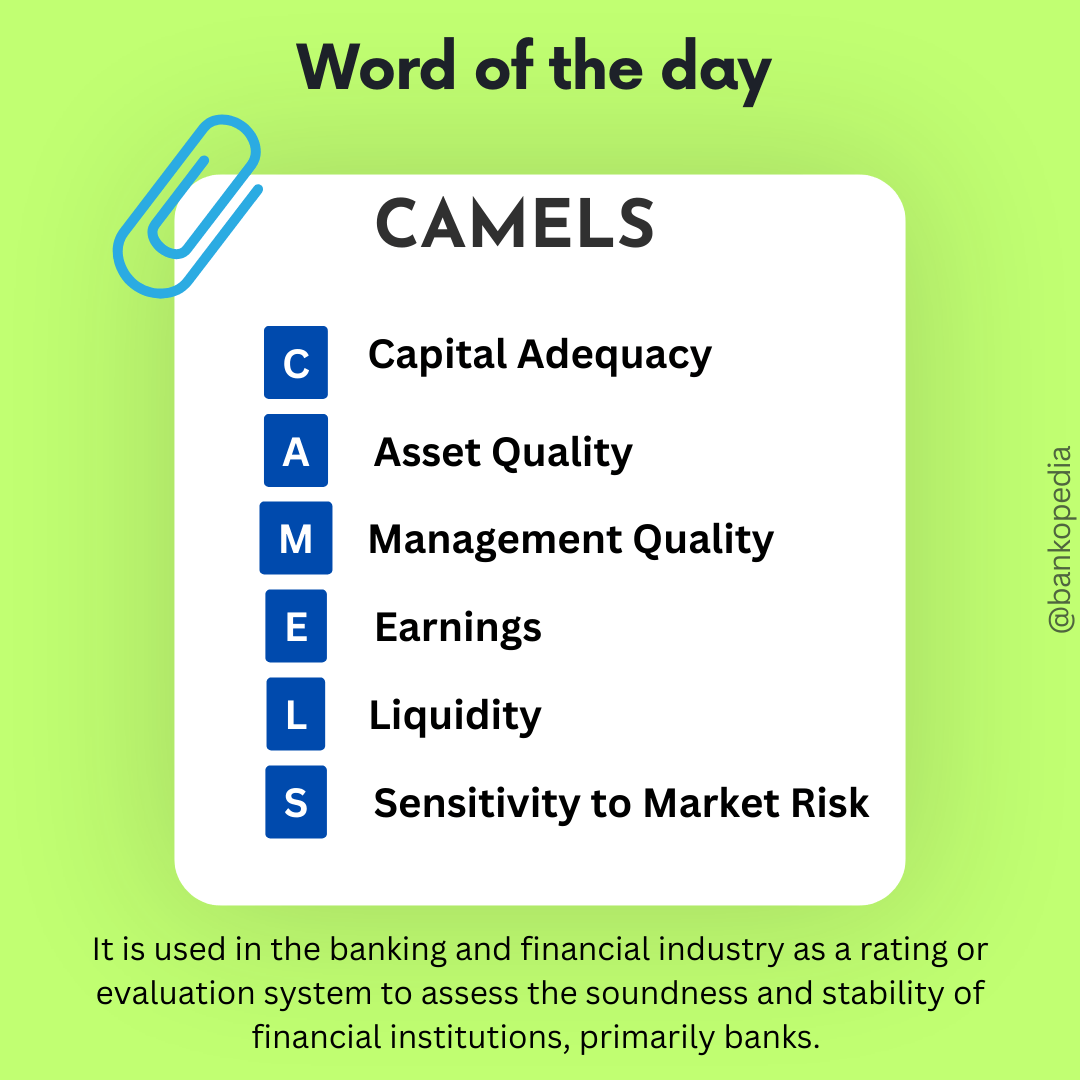
Every bank credit officer — whether at SBI, HDFC Bank, or a Small Finance Bank — evaluates MSME loan applications through some version of the 5 Cs of Credit. Understanding each one from the banker’s perspective is the first step to preparing a stronger application.
Character — Will you repay?
Banks assess your repayment intent through your CIBIL TransUnion score and CRIF High Mark bureau report, your track record on existing loans and overdrafts, litigation and wilful default history, GST filing regularity, ITR filing consistency, and the conduct of your existing bank accounts.
A current account that shows frequent inward cheque returns, sharp end-of-month balance drops, or unexplained large cash withdrawals sends an immediate character signal — and not a positive one. Banks look for patterns of financial discipline, not just the absence of defaults.
Capacity — Can you repay?
Capacity is your business’s demonstrated and projected ability to generate enough cash flow to service the proposed debt. The primary tool here is DSCR (Debt Service Coverage Ratio) — the ratio of your net cash accrual to your total debt obligations (principal + interest). Most banks require a minimum DSCR of 1.25x to 1.50x.
Capital — Do you have skin in the game?
Banks want to see that you have invested your own money in the business. For working capital limits, a typical margin requirement is 25% (meaning the bank finances 75% of your assessed requirement). For term loans, project promoter contribution is typically 25–33%. Zero or minimal promoter contribution signals low commitment and raises loss-given-default risk.
Collateral — What security can you offer?
Collateral includes immovable property (land and buildings), plant and machinery, hypothecation of current assets (stock and debtors), and personal guarantees. Where tangible assets are limited, CGTMSE-backed lending provides an alternative path. The collateral coverage ratio — security value as a percentage of outstanding loan — is typically targeted at a minimum of 100% for immovable property.
Conditions — What is the external environment?
Even a financially strong business in a structurally stressed industry may receive a cautious credit assessment. Banks evaluate macroeconomic conditions, sector-specific outlook (using CRISIL and SIDBI sector reports), regulatory risks, commodity price sensitivity, and foreign exchange exposure relevant to your business.
CAMPARI: The Structured Indian Banking Overlay
Many Indian public sector banks use CAMPARI — an expanded framework that adds granularity to the 5 Cs.
| Letter | Stands For | What Banks Assess |
|---|---|---|
| C | Character | Promoter integrity, repayment track record |
| A | Ability | Technical, operational, and managerial capability |
| M | Margin | Promoter contribution; financial stake in the project |
| P | Purpose | Clear, verifiable end-use of the loan |
| A | Amount | Whether the loan quantum is justified by assessed need |
| R | Repayment | Realistic, cash-flow-backed repayment schedule |
| I | Insurance | Collateral adequacy; asset insurance coverage |
The Purpose element is critically important: banks require end-use of funds to be specific and verifiable. Using a working capital credit limit to fund fixed asset purchases — or vice versa — is treated as fund diversion and can lead to immediate recall of the facility. Always ensure your loan application clearly articulates purpose and is backed by supporting evidence (purchase orders, supplier quotations, machinery invoices).
6. Financial Ratio Analysis: The Numbers Banks Scrutinise
After the qualitative framework, banks run a detailed financial ratio analysis on your last 2–3 years of audited accounts and on projected financials. The table below shows the key ratios, acceptable ranges, and what each signals to a credit officer.
| Ratio / Metric | Acceptable Range | Caution Zone | What the Bank Is Really Asking |
|---|---|---|---|
| Current Ratio | ≥ 1.33x | < 1.10x | “Can you pay short-term bills?” |
| Debt-to-Equity (D/E) | ≤ 2:1 to 3:1* | > 4:1 | “How leveraged are you?” |
| DSCR | ≥ 1.25x to 1.50x | < 1.10x | “Can you service this debt from operations?” |
| Interest Coverage Ratio | ≥ 1.5x to 2x | < 1.25x | “Does your profit cover interest?” |
| Gross Profit Margin | Industry-specific | Declining YoY | “Are you pricing profitably?” |
| Net Profit Margin | Industry-specific | < 3% (trading); < 6% (mfg.) | “Is the business sustainably profitable?” |
| Debtors Turnover (DSO) | 30–60 days | > 90 days | “How fast do customers pay you?” |
| Inventory Turnover | Industry-specific | Slowing YoY | “Is stock moving or accumulating?” |
> D/E benchmarks are industry-sensitive. Capital-intensive manufacturing businesses typically carry higher leverage than trading or services firms. Exact thresholds vary by bank and credit policy.
The ratio that matters most: DSCR
If you can only focus on one number before approaching a bank, make it your Debt Service Coverage Ratio. Calculate it yourself:
> DSCR = Net Cash Accrual ÷ Total Debt Obligations (Principal + Interest) > > Net Cash Accrual = Net Profit After Tax + Depreciation + Non-cash charges
A DSCR below 1.0x means your business does not generate enough cash to repay the loan — a near-certain rejection signal. A DSCR of 1.25x to 1.50x is the sweet spot most Indian banks look for.
Related: DSCR Calculator for MSMEs — Compute Your Score Before Applying
7. Cash Flow and Working Capital Assessment
Maximum Permissible Bank Finance (MPBF)
For working capital limits — cash credit, overdraft, and bank guarantees — Indian banks predominantly use the Maximum Permissible Bank Finance (MPBF) method, developed from the Tandon Committee recommendations. Under this approach:
- The bank computes your total working capital requirement based on your operating cycle (stock holding + debtors days − creditors days)
- It deducts your net owned funds deployed in working capital
- The remaining working capital gap is financed by the bank, subject to a minimum 25% margin from the promoter
The bank also examines your bank statement in detail — typically 12–24 months. Low average balance, irregular credits, or credits that do not match declared turnover are red flags. The correlation between your bank statement credits and your GST-declared turnover is now a standard verification check.
Cash Flow vs. Reported Profit: The Real Test
A business can show accounting profit but poor operating cash flow — due to slow-paying customers, rising inventory, or unrecorded liabilities. Banks reconstruct cash flow from financial statements and flag divergences. If your net profit is ₹30 lakh but operating cash flow is negative, your credit officer will probe every line item to understand why.
8. Qualitative Factors: What Numbers Cannot Capture
Financial ratios tell part of the story. These qualitative factors often determine the outcome when ratios are borderline — or can make a borderline case succeed or fail outright.
Promoter Track Record and Character
In most MSME loans, the promoter is the business. Banks assess:
- Years of experience in the specific industry (a first-generation entrepreneur with 15 years in the sector carries more credibility than someone pivoting without domain knowledge)
- How the business navigated prior stress (COVID-19 moratorium usage, GST filing continuity during disruptions)
- Any litigation history, tax demands, or regulatory penalties
- Key-person dependency — does the business have a management team, or does everything depend on one individual?
Industry and Market Risk
Banks use CRISIL sector outlooks, SIDBI sector notes, and internal industry risk ratings to evaluate structural attractiveness of your sector. They assess market size and growth, competitive intensity, commodity price sensitivity, foreign exchange exposure, and regulatory risks.
Customer concentration is a factor many MSME promoters underestimate. If 70–80% of your revenue comes from one buyer, your credit risk is effectively tied to that buyer’s financial health — even if your own accounts look clean.
Business Model Durability
Bankers ask: will this business still be viable in 5–7 years, when the loan is being repaid? Factors evaluated include the condition and residual life of plant and machinery, proprietary products or long-term supply agreements, environmental compliance status, and the stability and depth of the management team.
9. Collateral, Guarantees, and Security Structures
Standard Security Structure in Indian MSME Lending
| Security Type | What It Covers | Notes |
|---|---|---|
| Primary Security | Assets financed or current assets hypothecated | Stock, debtors, machinery purchased with loan |
| Collateral Security | Additional immovable property | Typically land and buildings; minimum 100% cover |
| Personal Guarantee | Promoter and spouse | Standard for virtually all MSME loans |
| CGTMSE Cover | First-loss guarantee (collateral substitute) | Available up to limits specified on cgtmse.in |
When You Lack Collateral: The CGTMSE Route
Many genuine MSMEs — particularly service businesses, IT firms, and trading companies — operate without significant fixed assets. CGTMSE’s collateral-free guarantee scheme was specifically designed for this segment. If your bank is demanding property security and you cannot provide it, explicitly ask whether the loan can be structured under CGTMSE cover. Many bankers do not proactively offer this option; you may need to initiate the conversation.
10. Technology and Alternative Data in Modern MSME Lending
The data available to banks for MSME credit assessment has expanded dramatically. Here is what lenders now routinely access — and what this means for your application.
GSTN Data Analytics: Banks cross-check your declared annual turnover against GSTR-1 (outward supplies) and GSTR-3B (net tax liability). A persistent gap between bank statement credits and GST-declared sales raises an immediate due-diligence flag. Keeping your GST filings accurate and timely is no longer just a compliance requirement — it is a creditworthiness signal.
Account Aggregator (AA) Framework: The RBI’s Account Aggregator ecosystem enables consented digital sharing of bank statements, investment accounts, and insurance data between financial institutions. For borrowers, this means faster processing — your bank statement data flows digitally instead of arriving as PDFs that require manual verification (and that are susceptible to tampering). Accepting AA consent requests from your bank speeds up your application significantly (RBI Account Aggregator Master Direction).
Bank Statement Analytics: Automated tools now parse 12–24 months of transaction data to estimate revenue, identify undisclosed EMI obligations, assess cash flow seasonality, and flag suspicious patterns. If you have undisclosed borrowings showing up as regular EMI debits in your bank statement, the credit officer will find them — and ask why they were not disclosed.
Udyam and MCA21 Data: Banks verify your Udyam registration number, check director DIN records on the MCA21 portal, and screen for group company exposures and director-level defaults that may not appear in your personal CIBIL report.
11. Internal Risk Ratings and External Credit Ratings
How Your Risk Rating Affects Your Interest Rate
Every bank assigns an internal risk rating to each MSME borrower based on a scorecard that combines financial ratios, account conduct, industry risk, and qualitative management assessment. This rating is not disclosed to you — but it directly determines:
- The interest rate spread above your bank’s base rate or MCLR
- The collateral requirement
- Loan tenor limits
- Post-disbursement monitoring frequency
A borrower rated in the top tier may receive credit at 100–200 basis points below a mid-tier peer from the same bank, for the same loan amount. Improving your internal risk rating — by strengthening DSCR, maintaining clean account conduct, and reducing leverage — is the most direct lever to lower your cost of credit over time.
External Ratings for Larger MSMEs
For medium enterprises accessing loans above certain thresholds or raising rated instruments, external ratings from CRISIL, ICRA, CARE Ratings, or India Ratings carry weight in pricing negotiations. For micro and small enterprises, external ratings are less common; the bank’s internal scorecard is the operative tool.
12. Top Reasons MSME Loan Applications Are Rejected
Based on standard banking practice, the following are the most frequent rejection triggers for MSME credit applications in India — along with actionable prevention strategies.
| Rejection Reason | Root Cause | Prevention Strategy |
|---|---|---|
| Inadequate DSCR | Over-borrowing relative to cash flow | Right-size the loan; improve operating margins before applying |
| Low CIBIL / Credit Score | Defaults, payment delays, high credit utilisation | Clear all overdues; reduce credit card utilisation ≥6 months before applying |
| ITR vs. Financial Statement Mismatch | Unrecorded cash transactions | Maintain proper books; file accurate ITRs every year |
| Insufficient Collateral | Asset-light business or encumbered property | Explore CGTMSE-covered loans; consider co-obligant |
| Negative Industry Outlook | Sector under structural stress | Provide orders-in-hand, diversification plan, market analysis |
| Incomplete Documentation | Missing GST returns, bank statements, KYC | Use a complete document checklist; prepare a dedicated loan file |
| Promoter Conduct Issues | Litigation, wilful default, fraud history | Resolve legal matters; disclose proactively with written explanation |
| Over-Leveraged Group Exposure | High total bank debt across group entities | Reduce group-level debt; obtain NOC from existing lenders |
| Undisclosed Borrowings | EMIs visible in bank statements not declared | Disclose all obligations upfront in the application |
| Weak Business Projections | Unrealistic revenue or margin assumptions | Ground projections in 3-year historical performance; use conservative assumptions |
13. How to Strengthen Your Bankability: An Action Plan
Creditworthiness is built over 12–18 months, not in the two weeks before a loan application. The table below is your structured action plan.
| Timeline | Action | Why It Matters |
|---|---|---|
| 12 months before | File ITRs accurately and on time | Creates a clean 2-year ITR trail — minimum requirement for most banks |
| 12 months before | Maintain GST filing discipline | Banks cross-verify turnover against GSTR-1 and GSTR-3B |
| 9 months before | Monitor and improve CIBIL score | Resolving disputes and reducing utilisation takes 3–6 months to reflect |
| 9 months before | Build average bank balance | Banks compute Average Monthly Balance as a conduct indicator |
| 6 months before | Prepare audited financials | Most banks require 2–3 years of CA-certified accounts |
| 6 months before | Compute your own DSCR | Know your number before the banker does; right-size your loan request accordingly |
| 3 months before | Prepare CMA data / business plan | Projected financials for 3–5 years; realistic assumptions with sensitivity analysis |
| 3 months before | Clear all property title encumbrances | Title disputes or missing documents delay collateral processing significantly |
| 1 month before | Compile a complete document file | Udyam certificate, GST registration, trade licences, last 2 years ITRs, last 12 months bank statements, audited P&L and balance sheets, collateral documents |
| Ongoing | Engage proactively with your RM | Share quarterly MIS; inform of major orders; communicate proactively during stress |
The most underused strategy: Proactive relationship banking. MSMEs that share business updates with their relationship manager — incoming orders, capacity additions, new customers — are viewed as transparent and well-managed. This qualitative goodwill matters when your credit file lands on the sanctioning committee’s table.
14. Emerging Trends Reshaping MSME Credit Assessment
AI and Machine Learning in Credit Scoring
Banks and NBFC-fintechs are deploying machine learning models that process alternative data signals — e-commerce platform sales history, utility payment regularity, logistics partner data, and supply chain transaction data — alongside traditional financials. SIDBI’s digital lending partnerships are among the early implementations. These models are enabling faster, lower-cost underwriting at smaller ticket sizes where traditional appraisal is not commercially viable.
Account Aggregator: Accelerating MSME Lending
As more financial institutions become active FIPs (Financial Information Providers) and FIUs (Financial Information Users) in the RBI-regulated AA ecosystem, the quality and completeness of consented financial data will improve substantially. This is expected to reduce the information asymmetry that has historically disadvantaged smaller, informal-book MSMEs — and expand access to formal credit for enterprises that have been perennially underserved.
Supply Chain Finance and Cash-Flow Lending
The shift from collateral-centric to cash-flow-centric lending is gaining momentum. Supply chain finance platforms — TReDS for receivables, and equivalent structures for payables — enable MSMEs to unlock liquidity embedded in their balance sheets without relying on property as security. As buyer-led programmes deepen, supply chain finance is becoming a major complement to traditional MSME bank credit.
B2B BNPL: A New Entry Point for Formal Credit
Business-to-Business Buy Now Pay Later (BNPL) products, embedded in distribution and e-commerce platforms, are creating formal credit histories for smaller MSMEs that were previously invisible to lenders. The transaction data generated builds alternative credit profiles that can accelerate future access to mainstream bank credit.
Frequently Asked Questions
<!– FAQ Schema: Add FAQPage schema markup for these in WordPress –>
What is MSME credit assessment? MSME credit assessment is the process by which banks and financial institutions evaluate the creditworthiness of a small or medium business loan application. It covers financial ratio analysis (DSCR, current ratio, D/E), qualitative evaluation (promoter background, industry risk), collateral assessment, and regulatory compliance checks — all aimed at determining whether the borrower can and will repay the loan.
What CIBIL score is needed for an MSME loan? Most banks prefer a promoter CIBIL score of 700 or above for MSME loan approval. Scores below 650 are generally treated as high risk and may lead to rejection or higher interest rates. However, the credit score is one factor among many — a strong DSCR and clean GST/ITR trail can partially compensate for a borderline score in some cases.
What is a good DSCR for an MSME loan? A DSCR of 1.25x to 1.50x is generally considered acceptable by Indian banks for MSME loans. A DSCR below 1.10x raises serious concerns about repayment capacity. Above 2.0x signals strong financial health and typically supports better interest rate negotiations.
Can I get an MSME loan without collateral? Yes. The CGTMSE (Credit Guarantee Fund Trust for Micro and Small Enterprises) scheme enables banks to extend collateral-free loans to eligible MSMEs up to specified limits. The bank pays a guarantee fee to CGTMSE, which may be partially passed on to the borrower. You should explicitly ask your bank whether your loan can be structured under CGTMSE cover.
How long does MSME loan appraisal take? For working capital limits at banks with established relationships, appraisal can take 2–4 weeks after submission of complete documents. For term loans involving new projects or large amounts, the process typically takes 4–8 weeks or longer, especially when external valuations, legal opinions, or committee approvals are required. Incomplete documentation is the single biggest cause of delay.
What documents are required for MSME loan assessment? Standard documentation includes: Udyam Registration Certificate, GST registration certificate and last 12 months GST returns, last 2–3 years of audited financial statements and ITRs, last 12 months of bank statements for all accounts, KYC documents of promoters, property documents (for collateral), and a business plan or CMA data for term loans. Requirements vary by bank and loan type.
What is the difference between working capital loan and term loan for MSMEs? A working capital loan (cash credit or overdraft) finances the day-to-day operational expenses of the business — stock purchases, receivables, salaries — and is a revolving facility with no fixed repayment schedule. A term loan finances capital expenditure — machinery, equipment, building construction — and is repaid in fixed instalments over an agreed period. Banks assess them differently: working capital loans are evaluated on working capital cycle and bank statement conduct; term loans require detailed project reports and projected DSCR analysis.
Key Takeaways
Here is what every MSME entrepreneur and finance professional should remember from this guide:
- Banks use structured frameworks — the 5 Cs and CAMPARI — to evaluate MSME loans. These are not black boxes; they are learnable and preparable.
- DSCR is the single most critical ratio. Compute it yourself before approaching a bank. Target a minimum of 1.25x after accounting for the proposed loan.
- Financial hygiene builds creditworthiness. Accurate ITRs, consistent GST filings, and clean bank account conduct are the foundation of bankability — not afterthoughts.
- CGTMSE is underutilised. Asset-light MSMEs should proactively ask banks about collateral-free lending under CGTMSE.
- Technology has made informal practices visible. GST data, Account Aggregator statements, and bank statement analytics mean banks can cross-verify your financials more thoroughly than ever before. Formalisation is no longer optional.
- Relationship banking pays dividends. Proactive, transparent engagement with your bank — sharing business updates, MIS reports, and communicating early during stress — builds the goodwill that matters when credit decisions are made.
- TReDS can solve delayed payment problems without adding loan liability. If large buyers owe you money on 60–90 day terms, explore invoice discounting on TReDS platforms.
References
- Reserve Bank of India. (2023). Master Direction — Priority Sector Lending (PSL) Directions, 2020 (Updated). https://www.rbi.org.in/Scripts/BS_ViewMasDirections.aspx?id=11959
- Ministry of Micro, Small and Medium Enterprises. (2020). Notification S.O. 2119(E) — Revised MSME Definition. Government of India. https://msme.gov.in
- Reserve Bank of India. (2021). Master Direction — Account Aggregator (Reserve Bank) Directions, 2016 (Updated). https://www.rbi.org.in/Scripts/BS_ViewMasDirections.aspx?id=10598
- Reserve Bank of India. (2022). Master Direction — Trade Receivables Discounting System (TReDS) Directions, 2021. https://www.rbi.org.in/Scripts/BS_ViewMasDirections.aspx?id=12279
- Credit Guarantee Fund Trust for Micro and Small Enterprises. (2023). Scheme Guidelines and Trust Deed. https://www.cgtmse.in
- Reserve Bank of India. (2021). Master Circular — Prudential Norms on Income Recognition, Asset Classification and Provisioning (IRACP). https://www.rbi.org.in
- Small Industries Development Bank of India. (2023). Annual Report 2022–23. https://www.sidbi.in/en/reports/annual-reports
- Reserve Bank of India. (2023). Basel III Capital Regulations — Master Circular. https://www.rbi.org.in
- TransUnion CIBIL Limited. (2023). MSME Pulse Report. https://www.cibil.com/msme-pulse
- Reserve Bank of India. (1975). Report of the Study Group on the Working of the Credit System (Tandon Committee Report).
- Reserve Bank of India. (2023). Report on Trend and Progress of Banking in India 2022–23. https://www.rbi.org.in/Scripts/PublicationsView.aspx?id=22547
- Ministry of Micro, Small and Medium Enterprises. (2023). Annual Report 2022–23. https://msme.gov.in/annual-report-2022-23
- CRISIL Limited. (2023). MSME Sector Outlook Reports. https://www.crisil.com
- Udyam Registration Portal. (2024). Udyam Online Registration System. https://udyamregistration.gov.in
- Basel Committee on Banking Supervision. (2017). Basel III: Finalising Post-Crisis Reforms. Bank for International Settlements. https://www.bis.org/bcbs/publ/d424.htm
- Reserve Bank of India. (2023). Financial Stability Report — December 2023. https://www.rbi.org.in/Scripts/PublicationsView.aspx?id=22603
- National Credit Guarantee Trustee Company. (2023). Scheme Documentation and Guidelines. https://www.ncgtc.in
- Ministry of Finance. (2020). Emergency Credit Line Guarantee Scheme (ECLGS) — Scheme Notification. Government of India. https://www.finmin.nic.in




1 thought on “MSME Credit Assessment: How Banks Evaluate Small Business Loans in India”