Sovereign Green Bonds in India: A Leap Towards Sustainable Development
Table of Contents
The dawn of the 21st century has been characterized by a profound and sobering realization: the traditional models of economic growth are no longer ecologically sustainable. As the global community scrambles to address the looming, multifaceted climate crisis, the transition to a low-carbon economy has become not just an environmental imperative, but an economic one. This transition, however, requires massive capital. Trillions of dollars are needed globally to fund renewable energy infrastructure, decarbonize heavy industries, and build climate-resilient cities.
In this context, specialized financial instruments such as Green Bonds have emerged as powerful tools in the arsenal of sustainable finance. India, a nation characterized by its rich tapestry of rapid economic growth juxtaposed against severe environmental vulnerability, has notably advanced its commitment to green finance. Through the introduction of its comprehensive framework for Sovereign Green Bonds (SGrBs), India is making a definitive statement on the global stage. This article explores the genesis, mechanical intricacies, market implications, and transformative potential of Sovereign Green Bonds in India’s march towards sustainable development.
The Genesis and Significance of Green Bonds
To understand the magnitude of India’s sovereign issuance, it is essential to first decode the anatomy of a green bond. At their core, Green Bonds are fixed-income debt instruments issued by entities—ranging from national governments and municipalities to corporate enterprises and multinational financial institutions. They function mechanically much like traditional bonds: investors lend money to the issuer, and in return, the issuer promises to repay the principal amount along with periodic interest payments (the coupon) over a specified tenure.
What fundamentally distinguishes a green bond from a conventional bond is the concept of “ring-fencing.” Green bonds come with an explicit, binding promise that the capital raised will be used exclusively for financing or refinancing new and existing environmental and climate-related projects.

The Dual Value Proposition
Green bonds serve a critical dual purpose in the modern financial ecosystem:
- Targeted Capital Deployment: They provide governments and corporations with the vast pools of long-term capital required for capital-intensive projects that combat climate change, such as solar parks, wind farms, and electrified public transit systems.
- ESG Investment Opportunities: For the investor, they offer a tangible avenue to enhance Environmental, Social, and Governance (ESG) portfolios. Institutional investors, pension funds, and sovereign wealth funds are facing increasing pressure from their stakeholders to decarbonize their investments. Green bonds allow them to deploy capital responsibly without sacrificing fixed-income returns.
Furthermore, green bonds often generate a phenomenon known in financial markets as a “greenium” (green premium). Because the demand for high-quality, verified green debt often outstrips supply, issuers can sometimes borrow at slightly lower interest rates compared to traditional bonds, reducing the overall cost of capital for green infrastructure.
India’s Green Imperative: A Historical and Modern Context
India’s commitment to environmental conservation is not a newfound, reactionary phenomenon; it is deeply entrenched in the nation’s ethos and legal framework.
The Constitutional Mandate
Enshrined in Article 48-A of the Directive Principles of State Policy in the Indian Constitution is the nation’s fundamental allegiance to ecological health: “The State shall endeavour to protect and improve the environment and to safeguard the forests and wildlife of the country.” This constitutional backbone has historically driven India’s environmental jurisprudence and policymaking.
The Vulnerability of a Developing Giant
As one of the world’s most populous and rapidly developing nations, India faces a heightened, asymmetric challenge from the ramifications of climate change. A vast majority of its population relies on monsoon-dependent agriculture, making erratic weather patterns, prolonged droughts, and unseasonal floods deeply destructive to livelihoods. Furthermore, India boasts a massive coastline of over 7,500 kilometers, making its coastal cities highly susceptible to rising sea levels and intensifying cyclones.
Balancing the need to lift hundreds of millions of people out of poverty—which requires massive energy consumption and industrial growth—while capping greenhouse gas emissions is the ultimate policy tightrope.
The National Action Plan on Climate Change (NAPCC)
Recognizing the urgent need for structured climate action, India introduced the National Action Plan on Climate Change (NAPCC) in 2008. The NAPCC was a watershed policy document that shifted the narrative from mere environmental protection to proactive climate adaptation and mitigation. It outlined eight core “National Missions,” focusing on myriad facets such as:
- National Solar Mission: Promoting the development and use of solar energy for power generation.
- National Mission for Enhanced Energy Efficiency: Mandating energy consumption reductions in large, energy-intensive industries.
- National Mission on Sustainable Habitat: Promoting energy efficiency in buildings, solid waste management, and a shift to public transport.
- National Mission for a Green India: Enhancing forest cover and combating deforestation.
These missions laid the foundational groundwork, but financing them remained a persistent hurdle.
The Panchamrit Commitments
The urgency for green finance was further accelerated at the 2021 COP26 summit in Glasgow, where India articulated its ambitious Panchamrit (five-nectar) climate targets. Most notably, India committed to:
- Reaching a non-fossil energy capacity of 500 GW by 2030.
- Meeting 50% of its energy requirements from renewable energy by 2030.
- Reducing total projected carbon emissions by 1 billion tonnes by 2030.
- Reducing the carbon intensity of the economy to less than 45% by 2030.
- Achieving the target of Net Zero emissions by 2070.
To meet these staggering goals, traditional budgetary allocations and domestic bank lending are grossly insufficient. The entry of Sovereign Green Bonds is a direct, structural response to this massive financing gap.
The Sovereign Green Bonds Framework: Origins and Architecture
Marking a significant stride in public green financing, the Government of India announced its intent to issue Sovereign Green Bonds during the 2022-23 Union Budget. Finance Minister Nirmala Sitharaman highlighted that these bonds would be issued as part of the government’s overall market borrowings, seeking to mobilize resources specifically for green infrastructure.
Following the announcement, the Ministry of Finance unveiled the official “Framework for Sovereign Green Bonds.” This framework is not merely a bureaucratic guideline; it is a meticulously crafted playbook designed to signal the nation’s forward-thinking approach to global capital markets. Its primary objective is to emphasize public sector projects that can effectively and measurably reduce the economy’s carbon footprint.
To ensure credibility and prevent accusations of “greenwashing” (the practice of making misleading claims about the environmental benefits of a product or policy), the framework was designed to align strictly with the International Capital Market Association (ICMA) Green Bond Principles (2021). The ICMA principles are the gold standard globally, ensuring compliance with international best practices.
Deep Dive: The Four Pillars of the Framework
The robustness of India’s Sovereign Green Bond framework is anchored in four core pillars, designed to provide end-to-end transparency, from the moment capital is raised to the point its environmental impact is measured.
1. Use of Proceeds
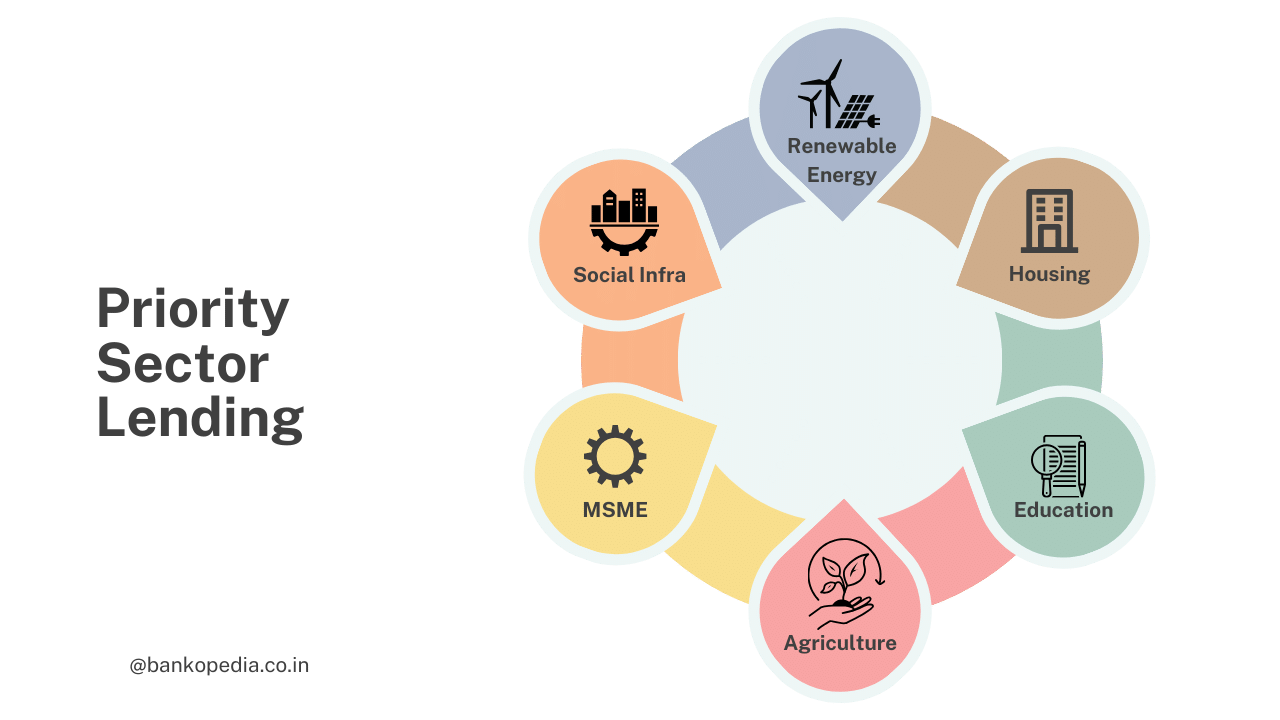
The foundational pillar dictates exactly where the money can—and cannot—go. The proceeds from these bonds are strictly earmarked for ‘green projects’. The framework defines eligible categories that encompass both mitigation (reducing emissions) and adaptation (building resilience). Key eligible sectors include:
- Renewable Energy: Investments in solar, wind, biomass, and small hydro projects.
- Clean Transportation: Subsidizing the adoption of electric vehicles (EVs), building EV charging infrastructure, and developing public transit networks like metros and dedicated freight corridors.
- Energy Efficiency: Upgrading public buildings to green standards and reducing transmission and distribution (T&D) losses in the power grid.
- Climate Change Adaptation: Investments in early warning systems for natural disasters, flood defense mechanisms, and drought-resilient agricultural practices.
- Sustainable Water and Waste Management: Wastewater treatment, desalination plants, and solid waste recycling facilities.
Equally important are the exclusions. To maintain absolute purity in its green labeling, the framework explicitly forbids the use of proceeds for fossil fuel extraction, nuclear power generation, direct waste-to-energy facilities that incinerate recyclable materials, and large hydroelectric projects (over 25 MW), due to their potential ecological disruption.
2. Project Evaluation and Selection
Having defined what is eligible, the framework establishes a rigorous mechanism to ensure that only the most impactful projects receive financing. This ensures alignment with India’s broader environmental goals.
The government established the Green Finance Working Committee (GFWC), chaired by the Chief Economic Adviser to the Government of India. This inter-ministerial committee is tasked with evaluating project proposals submitted by various government ministries and departments. The GFWC assesses whether a project meets the criteria of the ‘Use of Proceeds’ pillar and evaluates its potential environmental footprint, ensuring a transparent, merit-based selection process.
3. Management of Proceeds
Investors need assurance that their capital is not being mixed with the government’s general revenue pool and spent on non-green activities. Oversight mechanisms are built in to ensure funds are allocated correctly.
The proceeds from the bond issuance are deposited into the Consolidated Fund of India (CFI), standard for all sovereign borrowing. However, they are then tracked in a separate, dedicated account. The Public Debt Management Cell (PDMC) keeps a meticulous ledger of the funds allocated to eligible green projects. If any proceeds remain unallocated at the end of a fiscal year, the framework dictates that they must be held in secure, short-term, liquid instruments (like Treasury Bills) until suitable green projects are identified.
4. Reporting
Transparency does not end at allocation; it extends to impact. The framework mandates regular, detailed reporting to ensure accountability and enable investors to track the efficacy of their investments.
- Allocation Reporting: Published annually, this details how much money has been raised, which ministries received the funds, and the specific projects financed.
- Impact Reporting: This is arguably the most critical component for ESG investors. The government is required to quantify the environmental benefits of the funded projects. This involves reporting metrics such as gigawatt-hours (GWh) of clean energy generated, tonnes of CO2-equivalent emissions avoided, or the number of electric buses deployed.
To further cement credibility, the framework relies on external, independent reviews. The government engaged CICERO (Center for International Climate Research), a leading global provider of independent, research-based evaluations of green bond investment frameworks. CICERO awarded India’s framework a “Medium Green” rating, accompanied by a “Good” governance score, validating its alignment with international standards and boosting foreign investor confidence.
Potential Impact and The Road Ahead
The issuance of Sovereign Green Bonds acts as a catalyst, expected to provide a much-needed capital influx for India’s ambitious climate projects. However, the ripple effects extend far beyond the immediate projects funded.
Expanding the Capital Base
Historically, India’s domestic bond market has been largely dominated by domestic institutional investors (banks, insurance companies, provident funds). The SGrB framework is specifically designed to attract foreign portfolio investors (FPIs) and global sovereign wealth funds that have strict ESG mandates. In fact, to further this goal, the RBI recently allowed eligible foreign investors in the IFSC to invest directly in Sovereign Green Bonds, expanding the avenues for non-resident participation.
Establishing a Pricing Benchmark
One of the most significant impacts of a sovereign issuance is that it establishes a benchmark yield curve. Before the government stepped in, Indian corporations issuing green bonds had no domestic, risk-free green baseline to price their debt against. The sovereign green yield curve provides a reference point, signaling pricing stability. This will encourage the private and corporate sectors in India to dive deeper into green bond issuance, thereby organically augmenting the country’s broader green finance ecosystem.
Economic Multipliers
Investing in green infrastructure is highly capital-intensive but yields massive long-term economic dividends. The projects funded by SGrBs will spur job creation in new-age industries—such as EV manufacturing, solar panel assembly, and sustainable construction. Furthermore, by reducing reliance on imported fossil fuels, India can structurally improve its current account deficit and enhance its energy security.
Navigating the Challenges
However, the journey ahead is not without formidable challenges. While the framework is strong on paper, execution in a complex bureaucratic environment is key.
- Combating Greenwashing: The most severe risk to the green bond market is the perception of greenwashing. If investors discover that funds are being diverted to projects with questionable environmental benefits, the sovereign’s credibility will be irreparably damaged. Continuous, stringent external audits are necessary to maintain trust.
- Data and Impact Measurement: Tracking the exact reduction in carbon emissions for every dollar spent is technically challenging. Developing robust data collection mechanisms at the municipal and state levels to feed into the national impact report will require significant capacity building.
- The “Greenium” Dilemma: While issuers hope for a greenium (cheaper borrowing costs), investors naturally want the highest possible yield. If the yield on green bonds is significantly lower than conventional sovereign bonds, domestic institutional investors (who may not have strict ESG mandates) might shy away from them. Balancing the pricing to satisfy both the government’s desire for cheap capital and the investors’ need for adequate returns is a delicate market balancing act.
- Currency Risk: For international investors, investing in rupee-denominated sovereign bonds carries exchange rate risk. If the Indian Rupee depreciates against the US Dollar, it erodes their returns. Developing robust currency hedging mechanisms will be vital to keeping foreign capital engaged over the long term.
Conclusion
As the world pivots toward a sustainable future, it is abundantly clear that policy intentions must be backed by heavy financial muscle. Financial instruments like Green Bonds are no longer niche, alternative investments; they are becoming the mainstream arteries through which the lifeblood of the future economy flows.
India’s Sovereign Green Bonds framework is a highly commendable, meticulously structured step in this direction. It acknowledges the gravity of the climate threat while aggressively pursuing the economic upliftment of its populace. By setting rigorous standards for transparency, impact reporting, and project selection, India is not just raising funds; it is setting a behavioral precedent for its entire financial system. Ultimately, the successful scaling of this framework promises not just a greener GDP, but a resilient future where robust economic development and ecological sustainability walk firmly hand in hand.
Understanding Green Bonds and their Significance:
Green Bonds, akin to traditional bonds, are debt instruments issued by entities, be it governmental, corporate, or financial institutions. What distinguishes them is their explicit promise to use the proceeds for environmental and climate-related projects. They serve the dual purpose of providing capital for projects that combat climate change while offering investors an opportunity to enhance their green portfolios.
India’s Green Imperative:
India’s commitment to environmental conservation isn’t newfound. Enshrined in Article 48-A of its constitution is the nation’s allegiance to safeguarding its natural wonders. As one of the world’s most populous and rapidly developing nations, India faces a heightened challenge from the ramifications of climate change. Recognizing this, India introduced the National Action Plan on Climate Change (NAPCC) in 2008, focusing on myriad facets such as energy efficiency, forest cover enhancement, and sustainable habitat standards.
The Sovereign Green Bonds Framework:
Marking a significant stride in green financing, the Government of India’s recent unveiling of the “Framework for Sovereign Green Bonds” signals the nation’s forward-thinking approach. Anchored in its 2022-23 Union Budget, the framework’s objective is to issue Sovereign Green Bonds as part of the government’s overall market borrowings. This move seeks to mobilize resources specifically for green infrastructure, emphasizing public sector projects that can effectively reduce the economy’s carbon footprint.
What’s even more noteworthy is the framework’s alignment with the International Capital Market Association (ICMA) Green Bond Principles (2021), ensuring compliance with global best practices.
The Four Pillars of the Framework:
- Use of Proceeds: Clearly defined, the proceeds from these bonds are earmarked for ‘green projects’. These include initiatives promoting energy efficiency, carbon emission reduction, climate resilience, and the conservation of natural ecosystems.
- Project Evaluation and Selection: This ensures that only the most impactful projects, that align with India’s environmental goals, receive financing.
- Management of Proceeds: Oversight mechanisms will ensure that funds are allocated correctly and transparently.
- Reporting: Regular reporting will ensure accountability and enable investors to track the impact of their investments.
Potential Impact and The Road Ahead:
The issuance of Sovereign Green Bonds is expected to provide the much-needed capital influx for India’s ambitious climate projects. The framework will potentially attract global investors, signaling India’s commitment to transparent, accountable, and impactful green finance. Moreover, by setting a precedent, India might encourage its corporate sector to dive deeper into green bond issuance, thereby augmenting the country’s green finance ecosystem.
However, the journey ahead is not without challenges. Ensuring rigorous transparency, maintaining investor trust, and selecting genuinely impactful projects will be crucial. External reviews, as recommended by ICMA, will be pivotal in maintaining the credibility of these bonds.
In conclusion, as the world pivots towards a sustainable future, financial instruments like Green Bonds will play a crucial role. India’s Sovereign Green Bonds framework is a commendable step in this direction, promising not just economic growth but a future where development and sustainability walk hand in hand.